Brands & MarketingCreator EconomyVidCon 2026June 26, 2026
Social Is the Brief: Movers+Shakers' Geoffrey Goldberg on How e.l.f. and SharkNinja Move at the Speed of Culture
At VidCon, the Movers+Shakers co-founder sat down with the social leads behind e.l.f. Beauty and SharkNinja to unpack what "social-first" really takes: listening to the comments, trading approval mazes for guardrails, and measuring momentum instead of views.
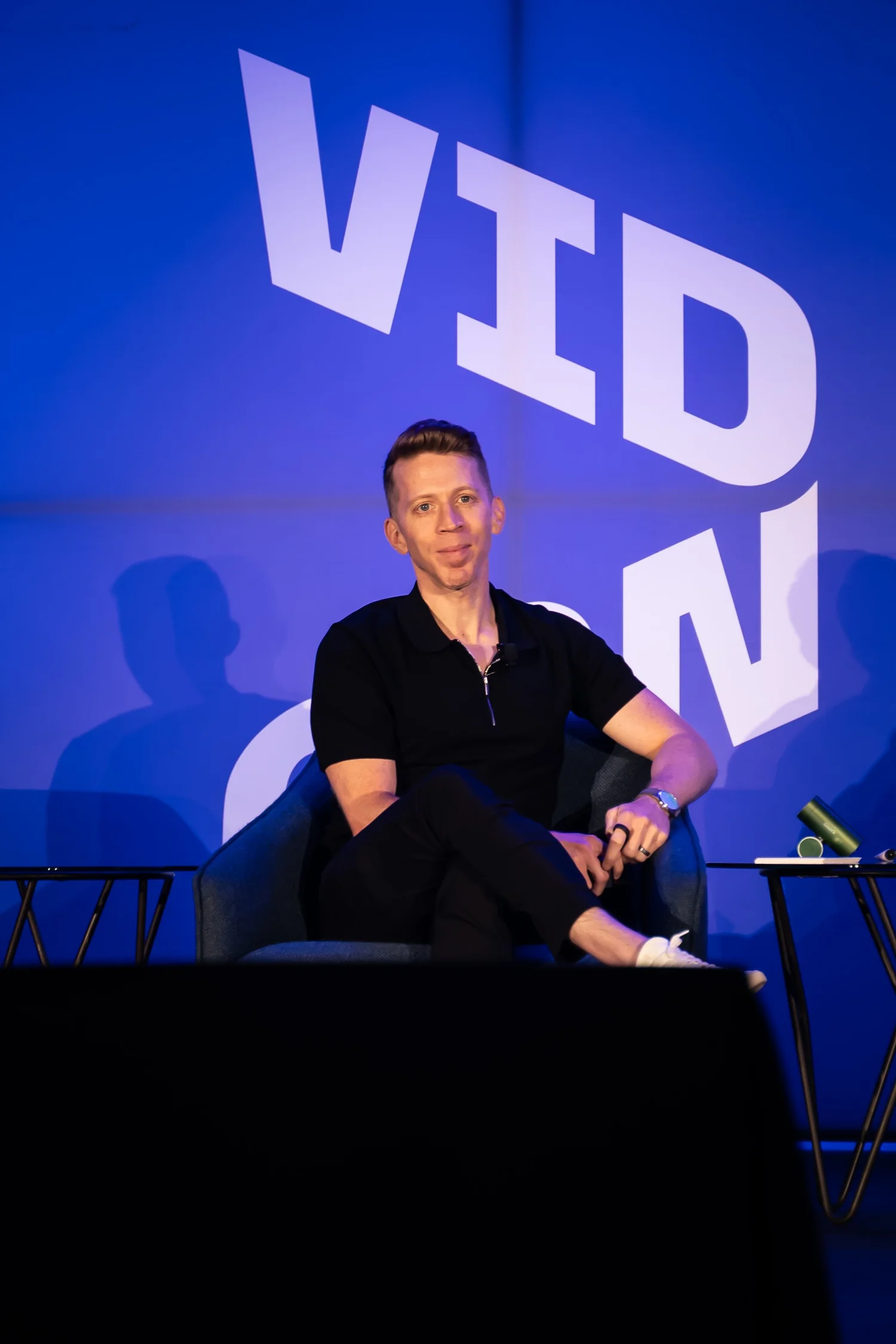
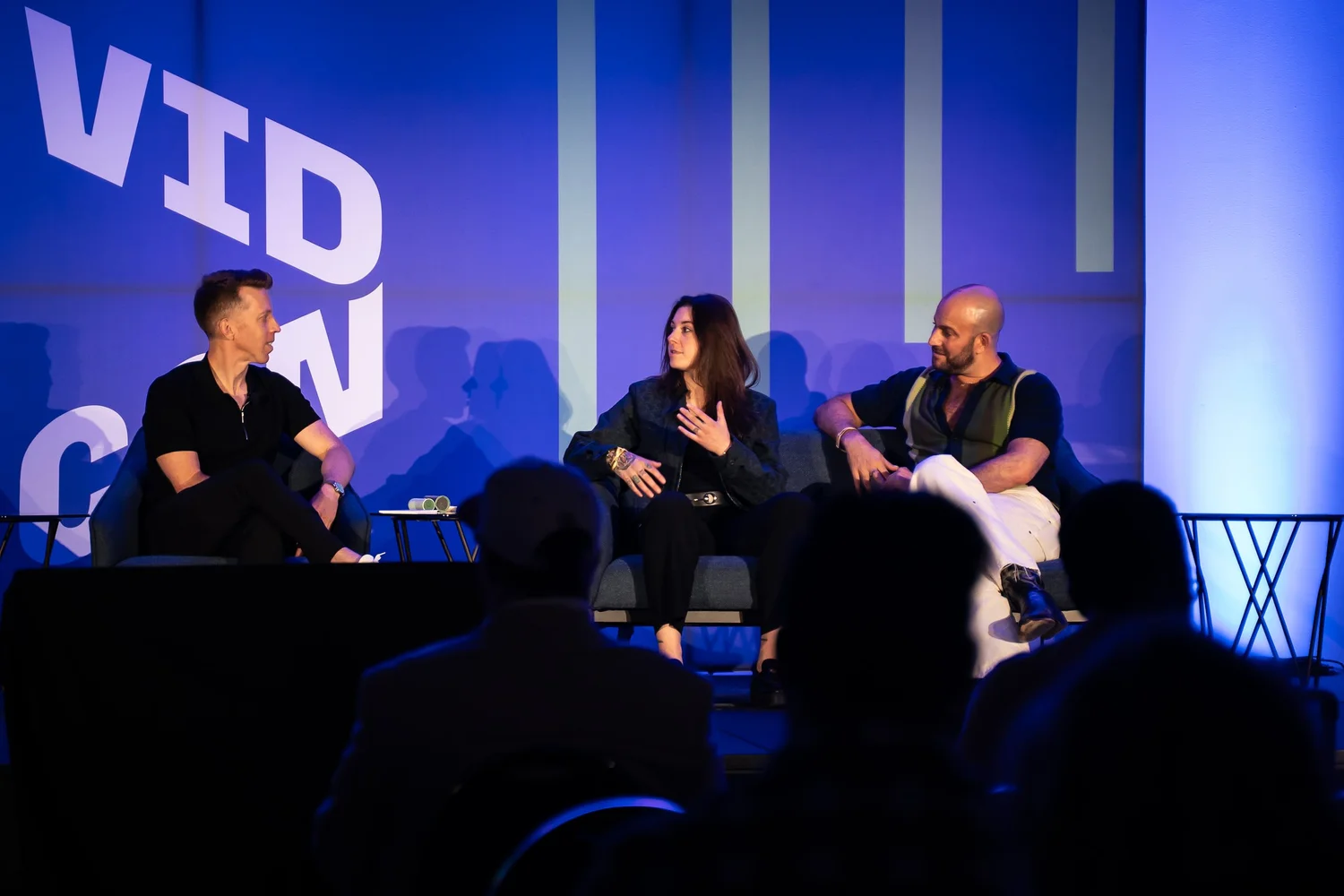
ANAHEIM Geoffrey Goldberg opened his VidCon industry session with a promise: "the most incredible session of your day. Guaranteed." The co-founder and chief creative officer of Movers+Shakers, the social-first creative agency behind work for e.l.f. and SharkNinja, brought two of the people who make that work happen inside those brands: Micah Jesse Koffler, who leads global influencer and creator marketing at e.l.f. Beauty, and Taylor Gerard, who runs global social creative at SharkNinja.
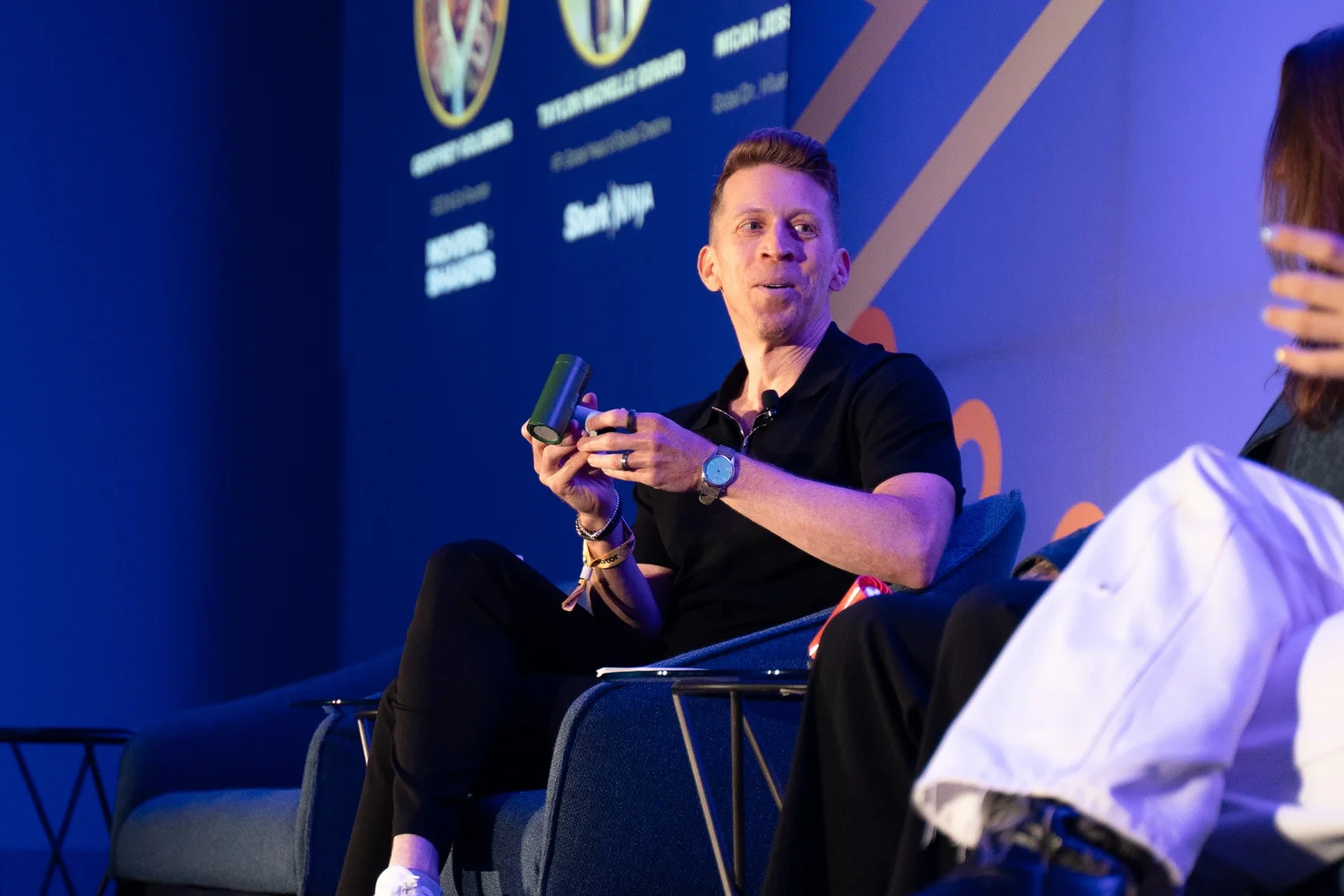
The session, "How Fortune 500 CMOs Can Pivot to Social-First," was built around three ideas. Social is the brief. Guardrails beat approval mazes. And success is measured in cultural momentum, not just views. The panel even took "breaks for ads," testing e.l.f. lip balm and switching on a SharkNinja fan mid-session.
Social is the brief
Goldberg framed the first idea as "erasing the boundary between consumer and brand," letting the comments and communities on social decide what a brand should make. At e.l.f., that idea has a name: zero distance. Koffler explained that it started with Kory Marchisotto, the company's longtime CMO and now its president, and runs all the way to the top.
"At the highest level, there's 0 distance between themselves and the community, and I love that."
Her favorite proof is Bronzing Drops. During a TikTok Live, the community flooded the comments asking e.l.f. to make them, roughly 60,000 comments, she said, with the CEO watching in real time. Developing a new product normally takes about a year. "He knew we couldn't wait a year. Like, our community would just move on," Koffler said. e.l.f. Skin Bronzing Drops hit the market in six months.
At SharkNinja, Gerard holds every idea to the same standard. "I use comments to justify almost every idea that we have," she said. "If I can't find a comment that justifies the idea, like, it's not a great idea." A video built on the common complaint about sleeping hot became one of the brand's most-viewed organic videos ever. To launch the Silky straightener, she spent hours mining Reddit's r/straighteners for horror stories, and the ad script borrowed the way people described their old straighteners: "like it was a bad ex."
Guardrails, not approval mazes
From the outside, Goldberg said, brands that win on social can look opportunistic, jumping on every trend. In reality, he argued, it comes from being clear about who you are. Once a brand knows its DNA, it has the freedom to run with ideas that wouldn't make sense for anyone else.
For e.l.f., that DNA is entertainment. "We like to say that we're an entertainment company that happens to sell amazing products," Koffler said. The proof: an insight that 40% of people break up over bathroom habits became a true-crime mockumentary about "vanity vandalism," with a premiere at the Chinese Theatre in Hollywood for what was "only 10 minutes" of film.
The creator brief was just as open. Koffler showed creators the film and asked them to interpret it themselves. One, Emma Norton, hired actors and a producer for her version. "Of course we had approvals," Koffler said. "But it was like, 'Have fun with it.'"
Gerard described the sweet spot as the overlap between brand DNA and what fans are actually saying: "that sliver in the middle, that's like where gold is." Brands still need a megaphone sometimes, she said, but "more and more I think we, we all need social media to be a 2way street."
Measure momentum, not just views
The last section took on why bold ideas die. Brands see the work others are doing and say they could never, Goldberg said, or they ask for bold ideas that are "dead on arrival" once they hit the approval process.
Gerard's answer is to change the scoreboard. Views still matter, she said, but optimizing only for them creates "a scroll bait economy." SharkNinja increasingly prioritizes share rate and comment rate, and that has a side effect: "it's easier to get things approved when that is the metric." For the Ninja CREAMi, the brand had a rapping chef turn fan-submitted recipes into raps, which she called "super valuable in terms of participation."
Koffler closed with e.l.f.'s Halo Glow moment. In June 2025, fans started turning empty Halo Glow bottles into giant DIY lip glosses. Instead of panicking, e.l.f. got "in a war room," made its own video, went live with its executives, and less than two weeks after the trend started dropped an official DIY kit that sold out within 24 hours, according to a case study shown during the session. The results it cited: more than 1,000 fan videos and 85 million organic views.
"We often say that it's not our brand, it's your brand. We're just the stewards of it."
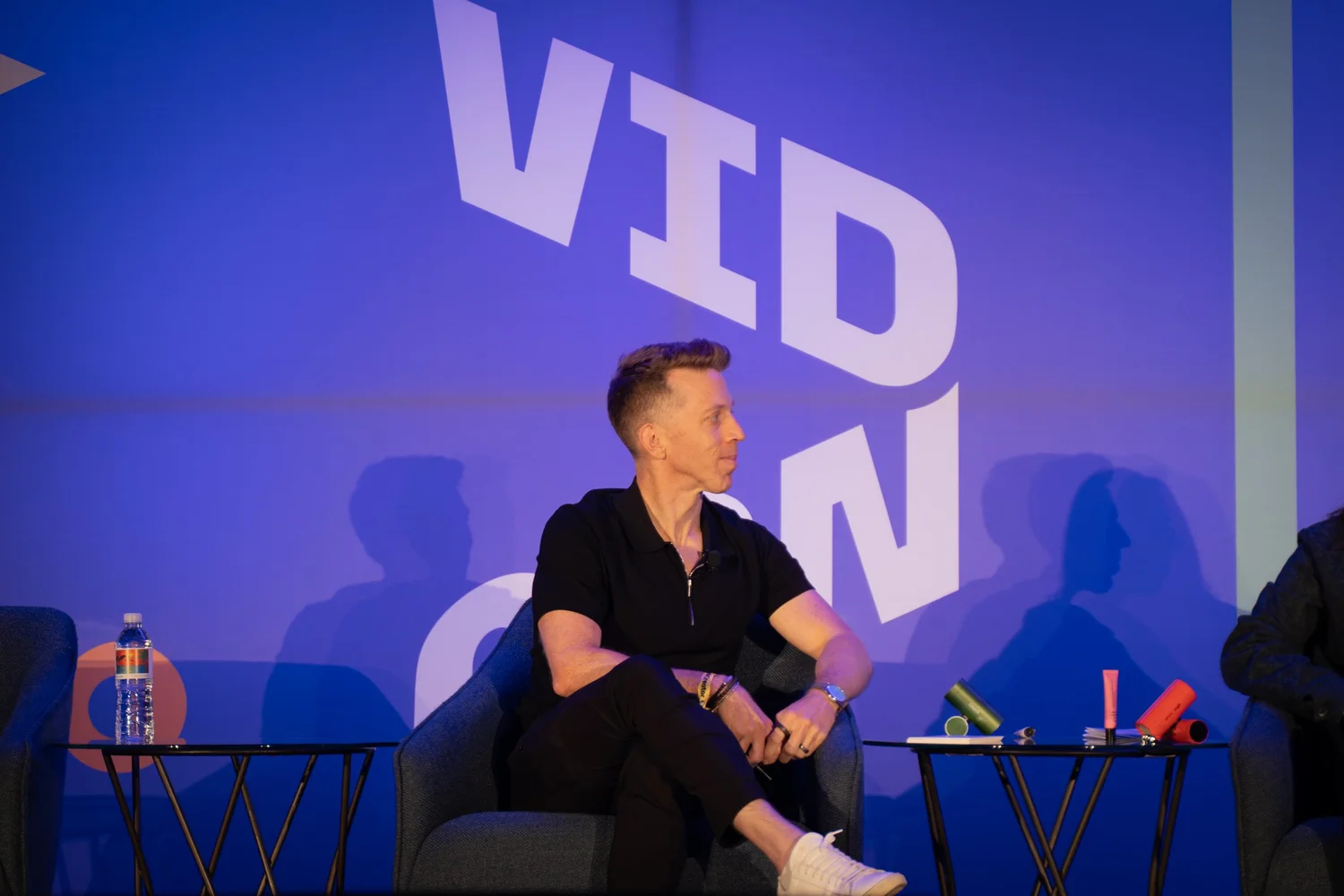
Goldberg wrapped with the three takeaways: let social be the brief, set guardrails instead of approval mazes, and measure where participation is happening, "not just are we getting follower count growth."