Future of WorkLeadershipCommerceNextJune 24, 2026
The Courage to Pause: Cindy Solomon on Dopamine, Disruption, and Why Change Management Is a Myth
At CommerceNext, the Courageous Leadership Institute CEO told retail leaders the highest-leverage move they have is the one nobody rewards: stopping before they respond.
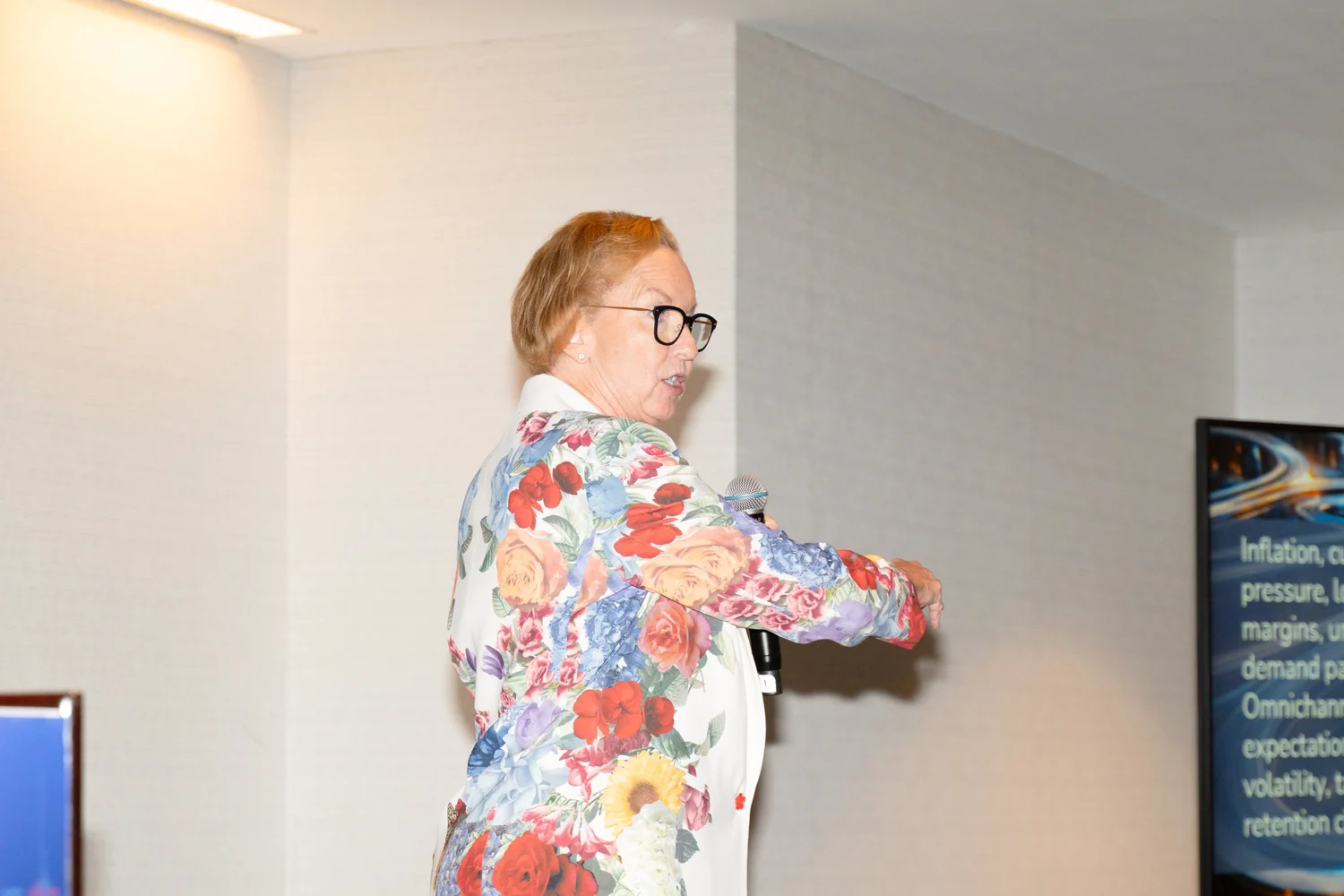
NEW YORK Cindy Solomon opened her CommerceNext session by reading retail leaders the list they already live with: inflation, spending pressure, thinner margins, unpredictable demand, supply chain volatility, talent shortages. "This is the motivational part," she deadpanned. Then she made the room a promise: "I'm not gonna talk about AI, and you're welcome."
Solomon owns the Courageous Leadership Institute, a global leadership development company. She has studied courage for 22 years, given more than 1,200 keynotes, worked with 480-plus clients including the Mayo Clinic, the Cleveland Clinic and Alaska Airlines, and put about 400,000 leaders through her intensives. The courage she means isn't the burning-building kind. It's "the little everyday decisions that make you nervous."
The courage to pause
Her first question was the hardest: "Do we have the courage to take a pause?" Leaders, she argued, have "become addicted to the action of responding rather than taking a breath and making a choice about whether to act or not act." She pointed to research showing that people who go seven minutes without touching their phones get a release of cortisol, the stress hormone. "It's an addiction."
"The higher up in the organization you go, the more difficult taking a pause gets because what bubbles up to you are the harder and nastier and bigger decisions."
The pause, she said, is what lets leaders check every choice against their North Star, whether that's design, quality, margin or how customers see the brand.
"Change management... that's a myth"
Solomon did break her AI promise, briefly, because it's "driving me crazy in all my clients." Whatever the change, AI, a brand pivot or a new product line, her rule is the same: start with the why.
"Nobody's managing change. You either lead through change or you let change happen to you."
Her research calls it the head-heart connection. "Nobody shows up passionately for work just chasing a number," she said. When leaders connect the number to something people care about, she said, they get four times the discretionary effort.
Hire for values, train for skills
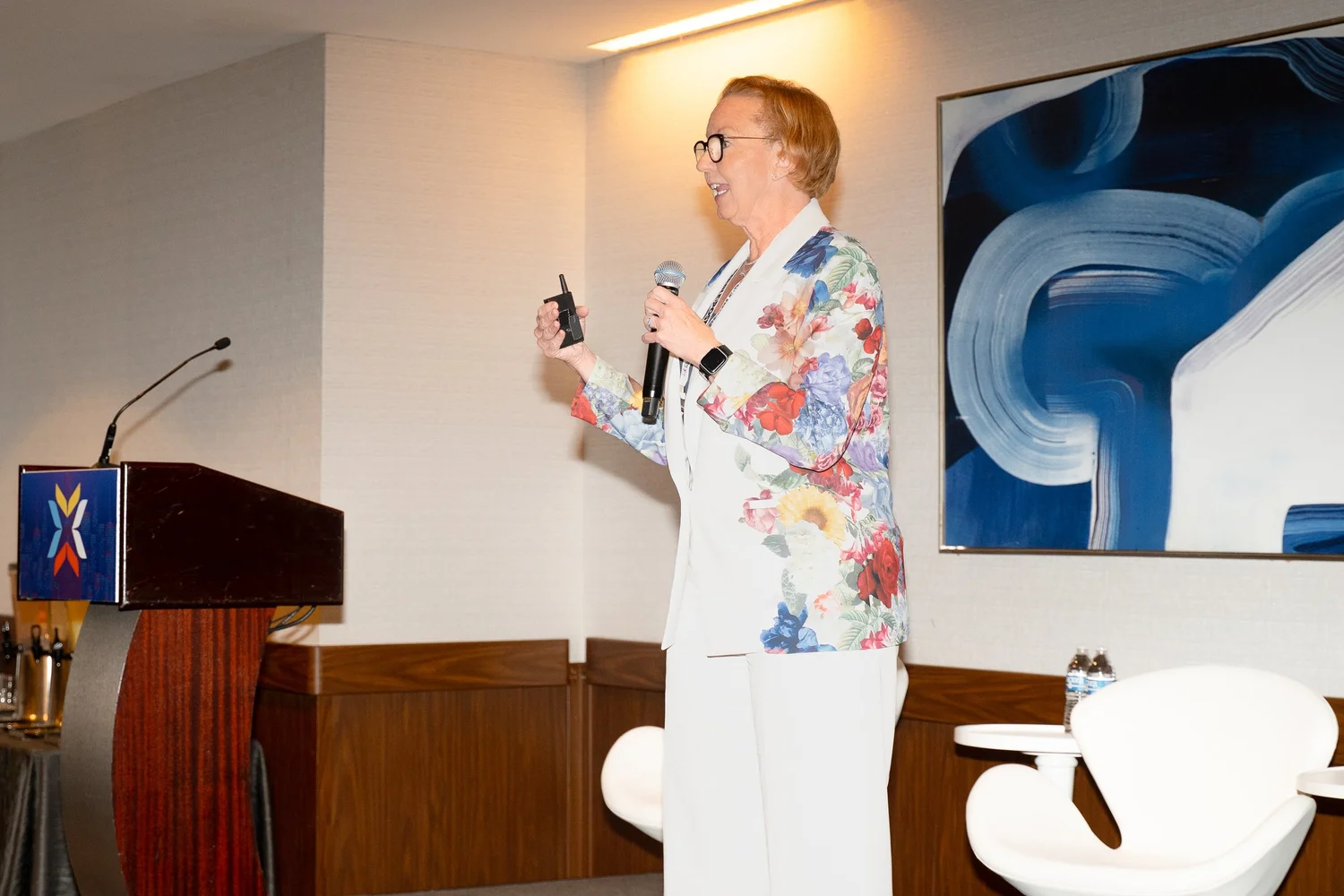
Performance, Solomon said, comes from values, skills and knowledge, and only two of them can be taught. Values like work ethic, attitude and attention to detail are set "by the time we're 9 to 13 years old." Her advice to anyone coaching people on those: "Stop it immediately, because you cannot coach a value."
She used herself as the example. As "a recovering corporate executive," she was sent through a rotation in finance on her way to VP of sales and marketing. She worked 20-hour days. Three months in, the CFO gave up: "It doesn't matter how hard she works." She simply doesn't have the value of attention to detail, she said, so she hires it around her. "Fit comes from values."
What leaders should train instead are human skills: pitching an idea, writing a good email, making eye contact. "The human connection is gonna become even more important than it ever has been before."
Dissect the wins
Solomon's most practical advice was about dopamine. Three things produce it: "Exercise, which I refuse to do, and nobody can make me do it," plus winning and learning. Those last two, leaders can deliver every day. She cited research tying it to 71% higher productivity and a 43% lift in sales close rates.
That, she said, is the real Gen Z retention problem. "They were raised on dopamine, raised on a steady diet of it, and when they go to work and they don't get any of it... That's why you lose them."
"I'm not talking about cheerleading. I'm talking about using the wins as something to learn from."
Manage your impact, not your time
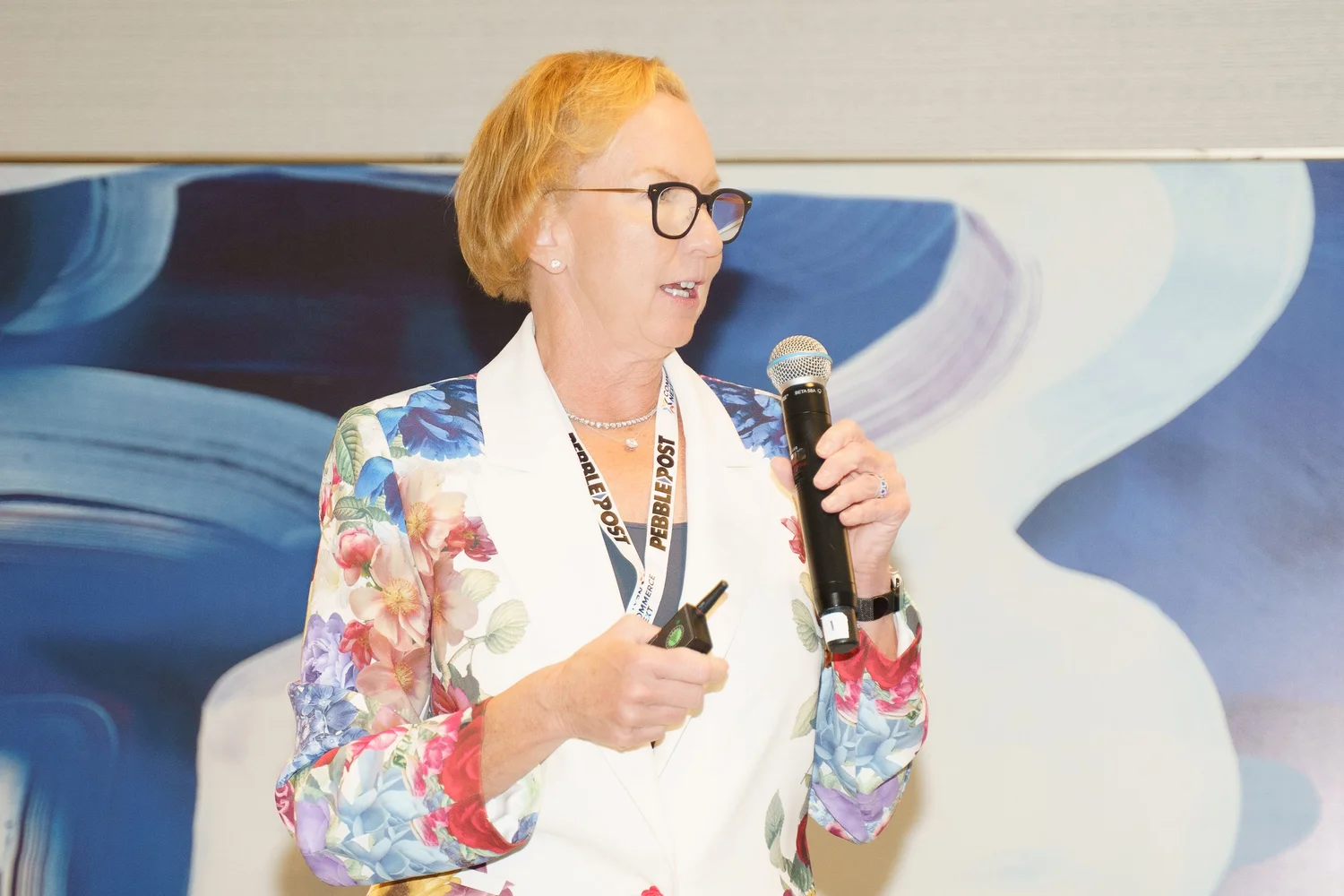
She closed with her own to-do list. "Redo website" had sat on it for weeks. "What are the odds of that happening? Literally 0." Rewriting it as "get the frame for the homepage done today" made it doable in one plane ride, and finishing it delivers the dopamine that keeps you going. The question for every leader, she said, is "What's the thing I get the biggest ROI from today?"
Her last line is the one she ends every presentation with: "Everything you want is just outside your comfort zone."