Leadership & WorkAIAfroTech 2026November 2026
What Are You Built to Run? Sandra Crespo on ADHD, AI and the Next Decade of Tech Leadership
At AfroTech 2026, Unalome Consulting Group founder Sandra Crespo, known as The NeuroSpicy Social Worker, argued that ADHD is not a deficit of attention but a surplus of it, and that AI, built on neurotypical norms, only works for neurodivergent leaders when they tell it exactly how they think.
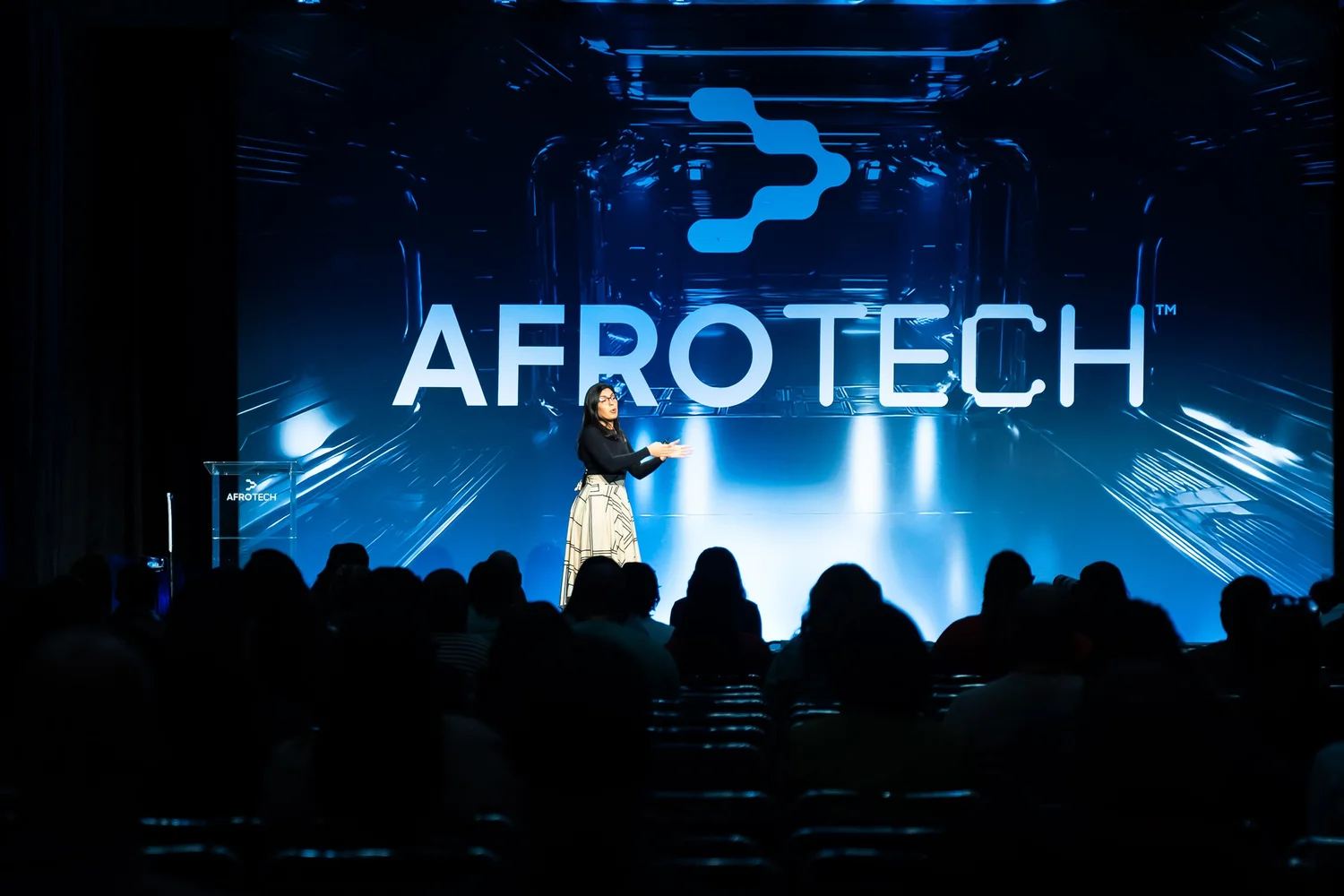
HOUSTON Sandra N. Crespo, LCSW-C, opened with a question she asked the room to carry through the rest of the conference: what are you built to run?
For most of her career, she said, the question had been the opposite one. She spent years fitting herself into programs and companies that were already designed, looking for the space where she could contribute, and rarely stopping to ask what kind of work her own brain was actually suited to lead. Her session in Grand Ballroom C, "NeuroSpicy Minds & The Next Decade of Tech Leadership," built on her AfroTech talk a year earlier and moved the conversation from inclusion to performance: how ADHD, autism, dyslexia and related cognitive differences work as high-performance architecture in fast-moving environments, and where AI fits in.
Crespo is the CEO and founder of Unalome Consulting Group and a licensed clinical social worker. She speaks from lived experience as well as clinical practice, and she described her own career as the case study.
Not a deficit. A surplus.
Crespo started by reframing the condition in the room's name. The attention is there, she said. The challenge is regulating it.
"It is not a deficit of attention. If anything, it is a surplus of attention."
The cost, in her telling, is the switching. ADHD brains run dozens of open tabs and lose energy every time they move between them. "We are all huge multitaskers," she said. "We pride ourselves in doing a million things." So she gave the room a test: write the alphabet and the numbers at the same time, alternating, as fast as you can. One, A. Two, B. Three, C. See how far you get before you stall or slip.
"Try that. It'll humble you."
Talent left on the table
The stakes, she argued, are organizational. Crespo cited a global survey of 2,000 neurodivergent employees in which only a quarter said they felt included or considered at work, even though the group was markedly more willing than their peers to try new AI tools and embrace change. Burnout and manager disengagement compound the problem, she said, because when leaders stop caring, teams follow.
"There's a lot of talent being left on the table."
AI was built for someone else
Crespo's case for AI rested on a parallel. The things AI does well are spotting patterns, moving fast and generating new perspectives. She described the ADHD brain the same way: big-picture, quick, bored by anything that doesn't get to the point. Where both tend to struggle is execution.
That is where she drew the caution. The tools were not designed with neurodivergent users in mind.
"Remember, AI is built on neurotypical norms, neurotypical design, neurotypical metrics."
Her fix is specificity. Instead of asking an assistant to "create a schedule for my day," she prompts for the way she actually works: break this task into ADHD-friendly steps under 10 minutes; estimate realistic times for my list, add a 25% buffer, and tell me what won't fit. AI, in her framing, is not a replacement for the idea. It is a supplemental tool for the part of the work that executive function makes hard.
"We have the idea. AI is a supplemental tool to help us actually build this out."
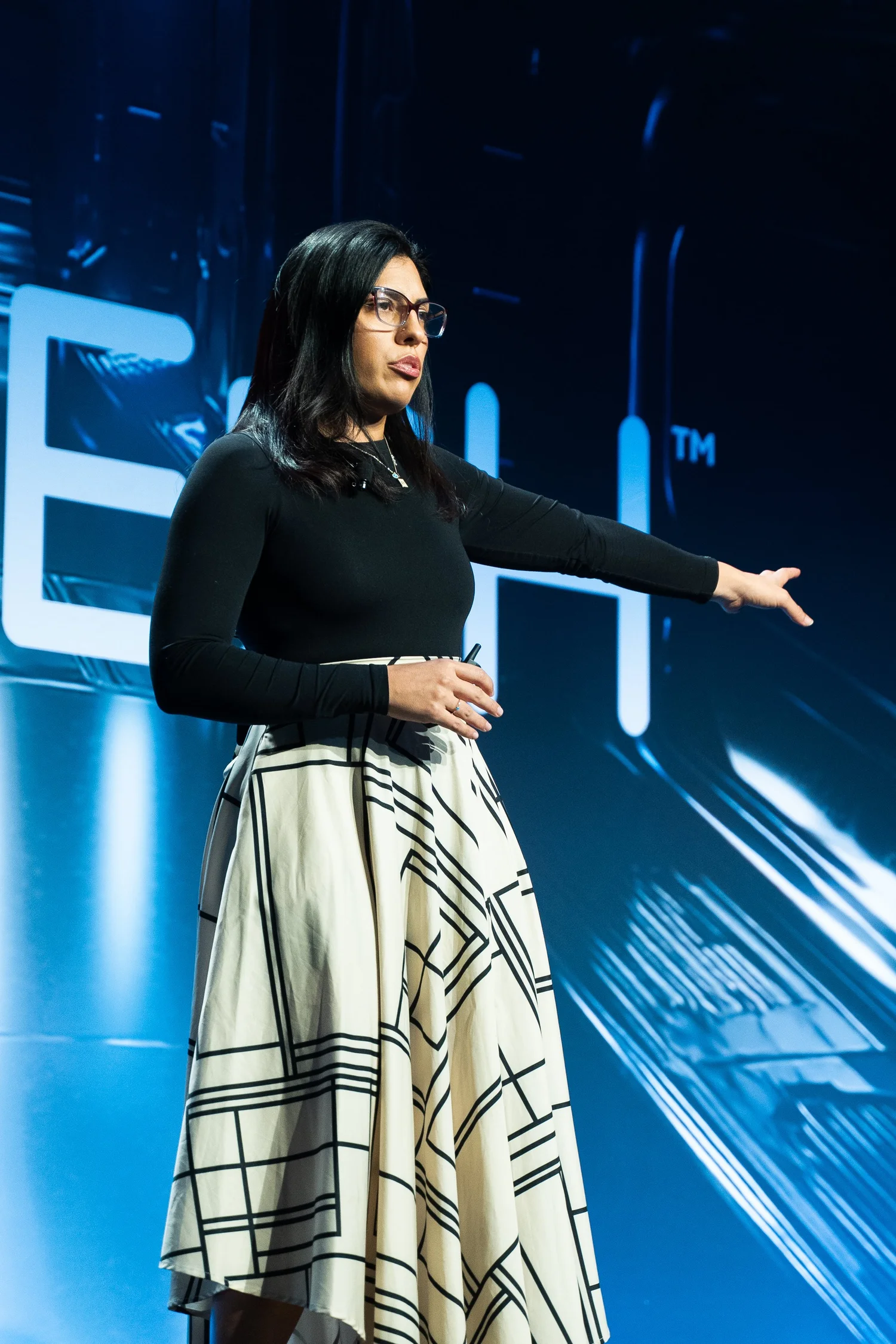
She paired the advice with guardrails: avoid over-reliance, never put confidential or health information into tools that aren't approved, and watch for what she called the newer doom scrolling, the rabbit hole of following one AI answer into the next.
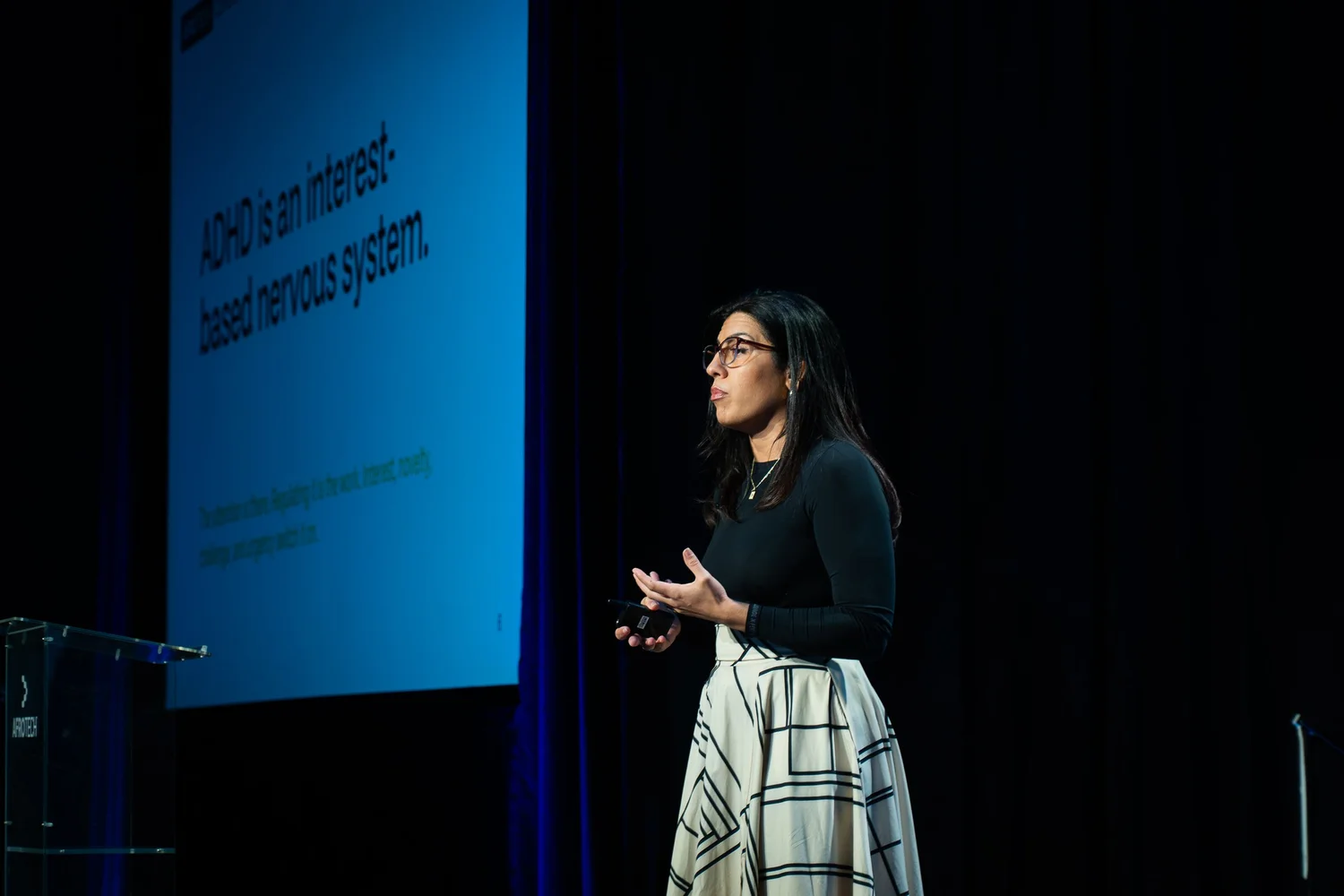
Forgetting the evidence
Crespo also took on imposter syndrome, starting with the word itself. An imposter is someone lying about who they are. Most people in the room, she pointed out, are doing exactly the work they trained for. For neurodivergent professionals, she argued, the doubt often comes from somewhere else: masking. When success happens behind the mask, the mask gets the credit, and the win doesn't feel like yours.
"Sometimes imposter syndrome is what happens when your ability has always been greater than your consistency. We didn't fake our way here. We just kind of keep forgetting the evidence of why we're here."
Disclosure is context, not an excuse
The most practical moment of the session was about language. Crespo described a habit she sees constantly in neurodivergent professionals: over-explaining a missed deadline, apologizing for everything, leading with the diagnosis as if it were a confession.
"Disclosure is context, okay? Disclosure is not a reason, nor is it an excuse."
Her alternative is simple. Replace the apology with acknowledgment and a plan: thank you for waiting for me, and I will make sure it doesn't happen again. The difference, she said, is the difference between masking and actually understanding yourself, and building something with the brain you have.
That brought the room back to where she started. The next decade of tech leadership, in Crespo's view, belongs to people who stop asking where they fit and start asking what they were built to run.