Future of WorkGen ZFortune Workplace Innovation SummitMay 2026
The Lazy Girl Job Was Never About Being Lazy: Gabrielle Judge on Gen Z, Agency and the End of the 9-to-5
On Fortune's main stage, the founder of Ms. Anti Work explained why she coined "lazy girl job," why she left corporate America for agency, and why she wouldn't tell an entry-level worker to just chill for two years.

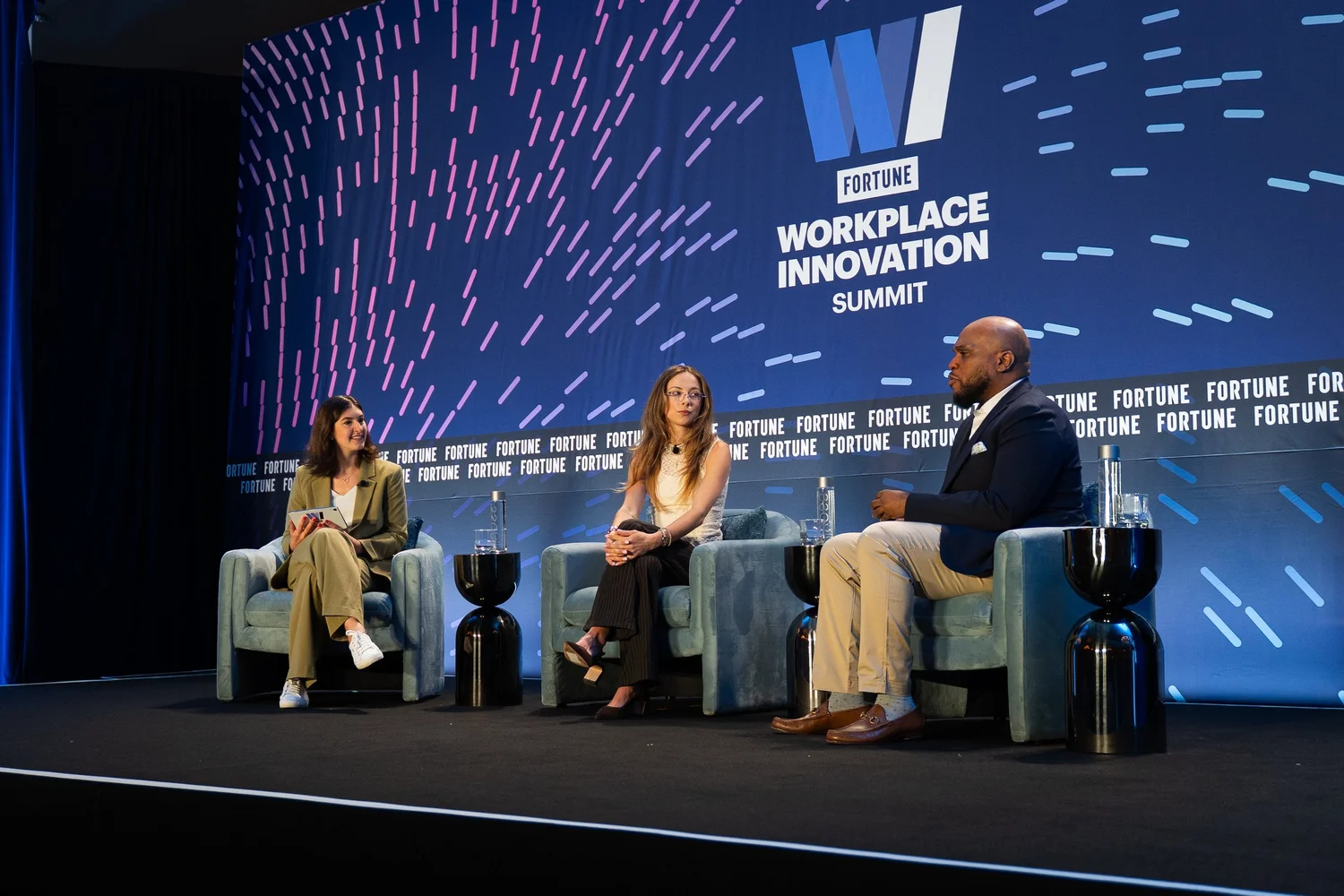
ATLANTA Gabrielle Judge built a media company on three words she knew would be controversial. "Lazy girl job" went viral in 2023 and turned Judge, better known as Ms. Anti Work, into one of the loudest voices on how young workers think about their careers. On the main stage of the Fortune Workplace Innovation Summit at the St. Regis Atlanta, in a session titled "The New Generations at Work: Moving Beyond the Stereotypes," Fortune's Kristin Stoller asked her what the phrase actually means, and whether lazy girl jobs still exist.
Her answer started with a confession that surprised the room. "I'm a huge high achiever. I'm a huge workaholic," she said. "I go a hundred and seventy percent at everything that I do... and I didn't have a lot of balance."
A lateral move that bought her time
The lazy girl job, Judge said, "came from the great resignation era." Hers was an account manager role at Wix. It was still a good job, she said, but "it wasn't a next rung in the ladder or anything like that, it was just a lateral move." She could finish her work in two to four hours a day and spend the rest building Ms. Anti Work, the media company she runs today.
That, she said, is why the term caught on. It means something different to everyone.
"Some people get lazy girl jobs because they're not careerists and they just want work-life balance. Some get them because they're like me."
People like her, she explained, are thinking: "I don't have the means or the funds to do my own thing yet, but I wanna try it out in a low-risk way." She knew the phrase would provoke. "I knew that going into it. I thought it was fun," she said, calling it "that Gen Z humor." It led to "tens of thousands of worldwide media mentions," along with Dr. Phil and 60 Minutes.
"Fool me once"
Judge came up in tech. She graduated from college in 2019 and had about seven months on the job before the pandemic sent everyone home. What pushed her out, she said, was a pattern. Every time she hit 12 to 18 months at a big tech company, "due to economic factors, they wouldn't have department-wide raises."
"Fool me once, okay. Fool me twice, okay. I'm not doing it a third time. I'm just gonna figure this out myself."
The bigger reason was agency. In corporate America, she said, high-agency roles "took so much time and also so much trust... It was too clunky for me." Social media and AI changed that math. "The things that I do at 29 would have taken me, like, 20 years to cultivate in a career in... corporate America."
Now that she hires, she looks for something different than she was asked for. "I'm not looking for task execution," she said. "I could find a VA or I could find, you know, AI to do that. It's more about strategy." The next generation of talent, she said, comes down to "curiosity, empathy, strategy."
No victim mindset
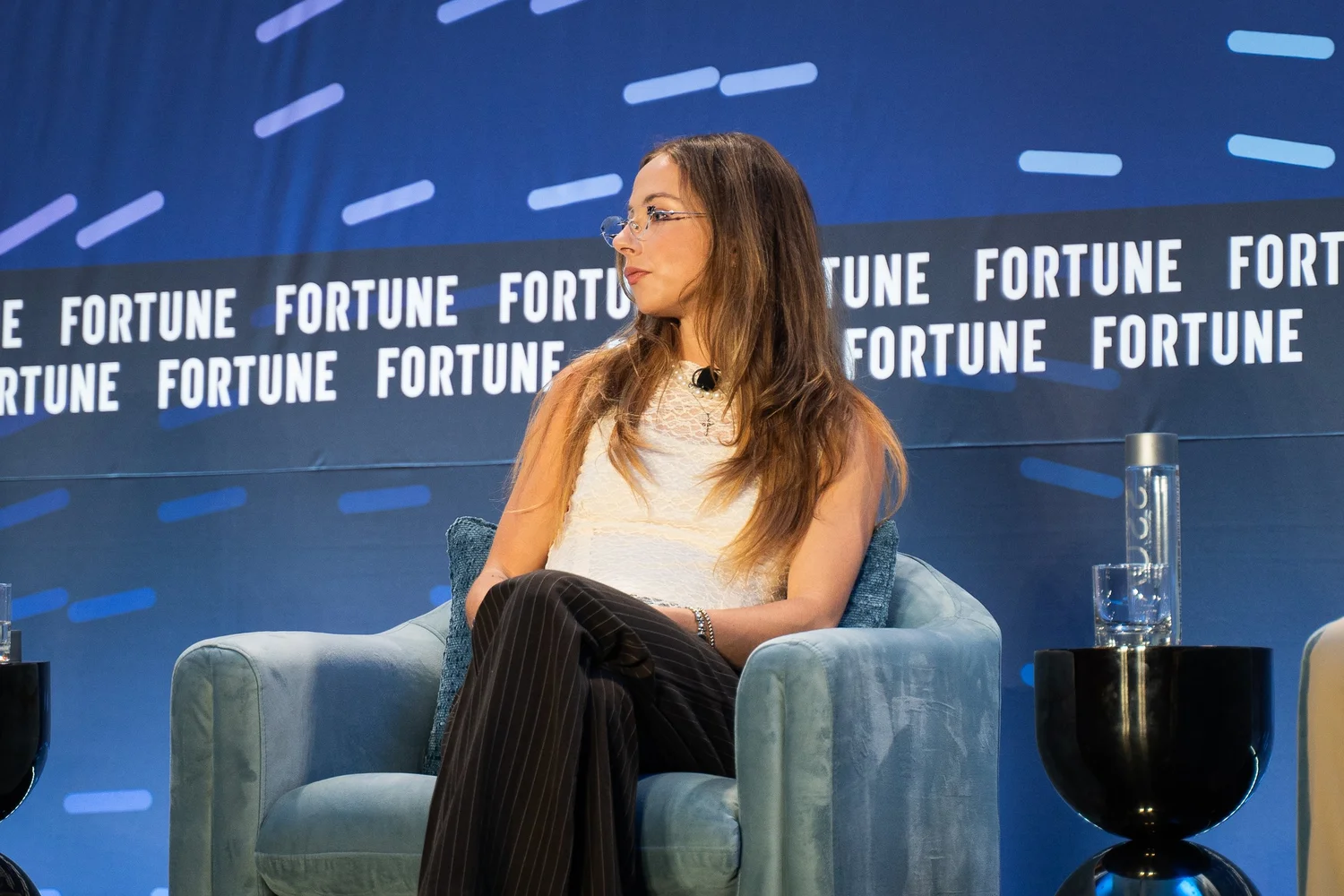
Judge was blunt about where her brand ends. Stoller asked how Gen Z can say it values integrity while sounding so negative about work. Judge called the generation "pretty nihilist," growing up with global news in short-form video, affordability stats and the AI conversation all at once. "It's hard for Gen Z to understand what they can and can't control."
But she does not want Ms. Anti Work confused with that mood. Her trends, she said, "get co-opted by this, like, disgruntled thing," and "I'm not into that at all."
"You're only a victim for so long with the job that you don't like. If you're... staying for 6 to 9 months, that's your choice."
She also had a warning for the youngest workers. Lazy girl jobs "have a time and a place," she said, but companies' needs are about to shift. "I don't know if I would tell an entry-level person right now like, 'Ah, just chill for 2 years.'"
DV Williams, Chief People Officer at Match Group, said a two-to-four-hour day "wouldn't work in terms of how we need to get things accomplished" at Match. Her approach is a direct conversation: "Hey, where are you right now, and what is it that you need? And here's what we need, and let's see if it's still a match."
What dies next
In the closing lightning round, Stoller asked what part of the traditional workplace won't survive the next 10 to 15 years. Judge didn't hesitate: "The 9to5 shift for sure." Pointing to Reid Hoffman's work on autonomous agents, she predicted "the death of that 40-hour 9to5 here very soon."
She said it more plainly on LinkedIn after the summit: "The 9-5 is already over, and they haven't accepted it."