A Founders Corner
  • Coverage
  • About
  • Media Kit

Visual Media · Conference Coverage · Founder Journalism

On the Ground
at Every
Conversation

That Matters

A Founders Corner is a digital-first media platform covering the founders, CEOs, and keynote speakers shaping the next era of business — from stages in New York to summits in the South of France.

Associated Press Variety Google NBCUniversal U.S. Dept. of Labor Fortune
AFC

Est. 2025 · Nationwide Conference Coverage

AP Super Bowl LX  ·  ETH NYC  ·  NAACP Image Awards  ·  Fortune Summit  ·  AfroTech  ·  CES  ·  Essence Fest  ·  AI Next  ·  Shoptalk  ·  Transform 2026  ·  Cannes Lions ↗
Coming Soon → Cannes Lions International Festival of Creativity · June 2026 Recent → ETH NYC · Javits Center · June 2026 Recent → AI Next Conference · Las Vegas · May 2026 Recent → Fortune Workplace Innovation Summit · May 2026 Credential → Associated Press · Super Bowl LX · February 2026 Coming Soon → Cannes Lions International Festival of Creativity · June 2026 Recent → ETH NYC · Javits Center · June 2026 Recent → AI Next Conference · Las Vegas · May 2026 Recent → Fortune Workplace Innovation Summit · May 2026 Credential → Associated Press · Super Bowl LX · February 2026

Latest Coverage

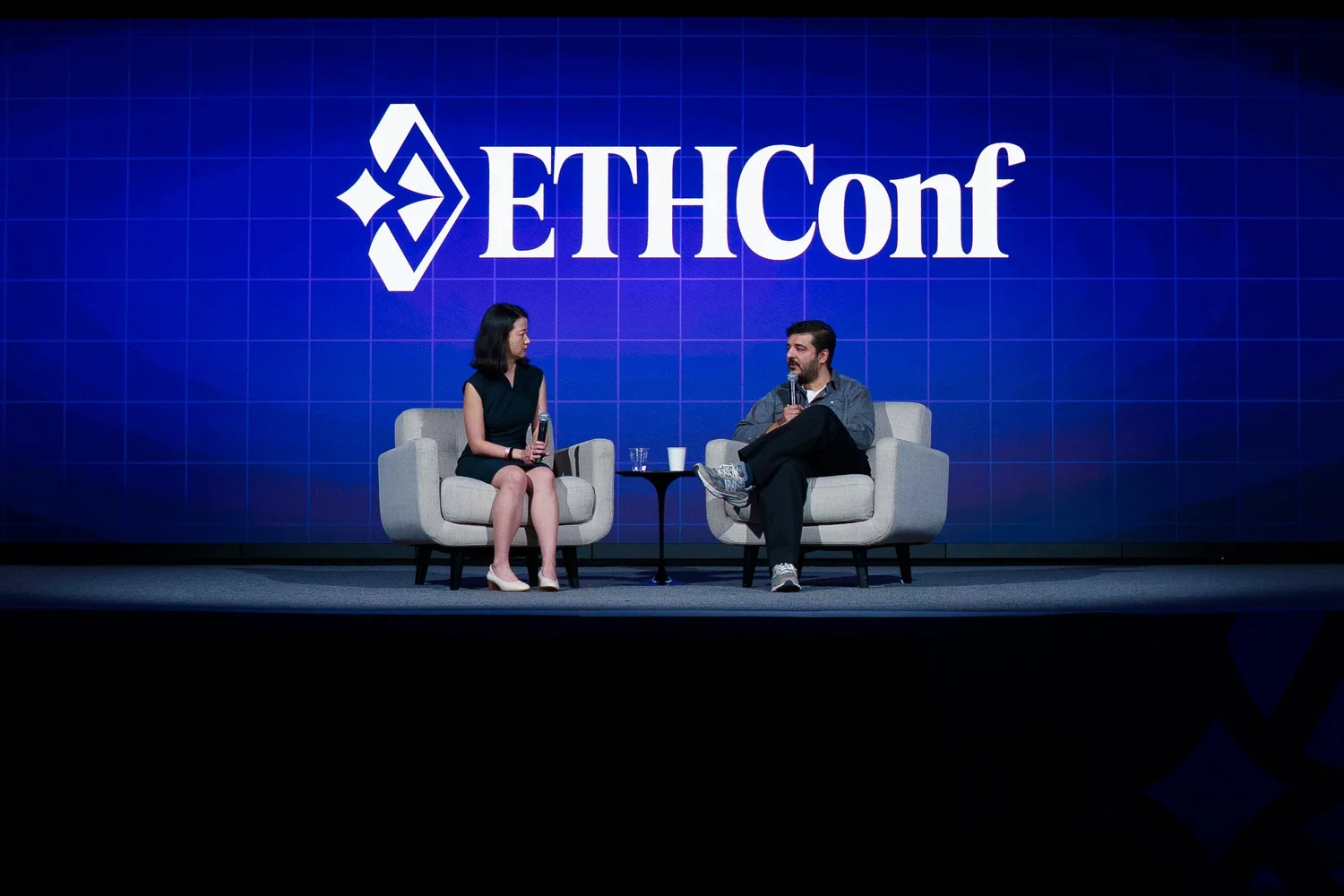
Farooq Malik, Rain CEO at ETH NYC

Fintech · Web3 · June 2026

Where Stablecoin Cards Go Next: On the Ground at ETH NYC with Rain CEO Farooq Malik

At ETH NYC, Rain CEO Farooq Malik sat down with The Information's Yueqi Yang to cut through the speculation — and what he described wasn't a future state. It was already happening.
By MC Richmond  ·  ETH NYC, Javits Center  ·  June 2026
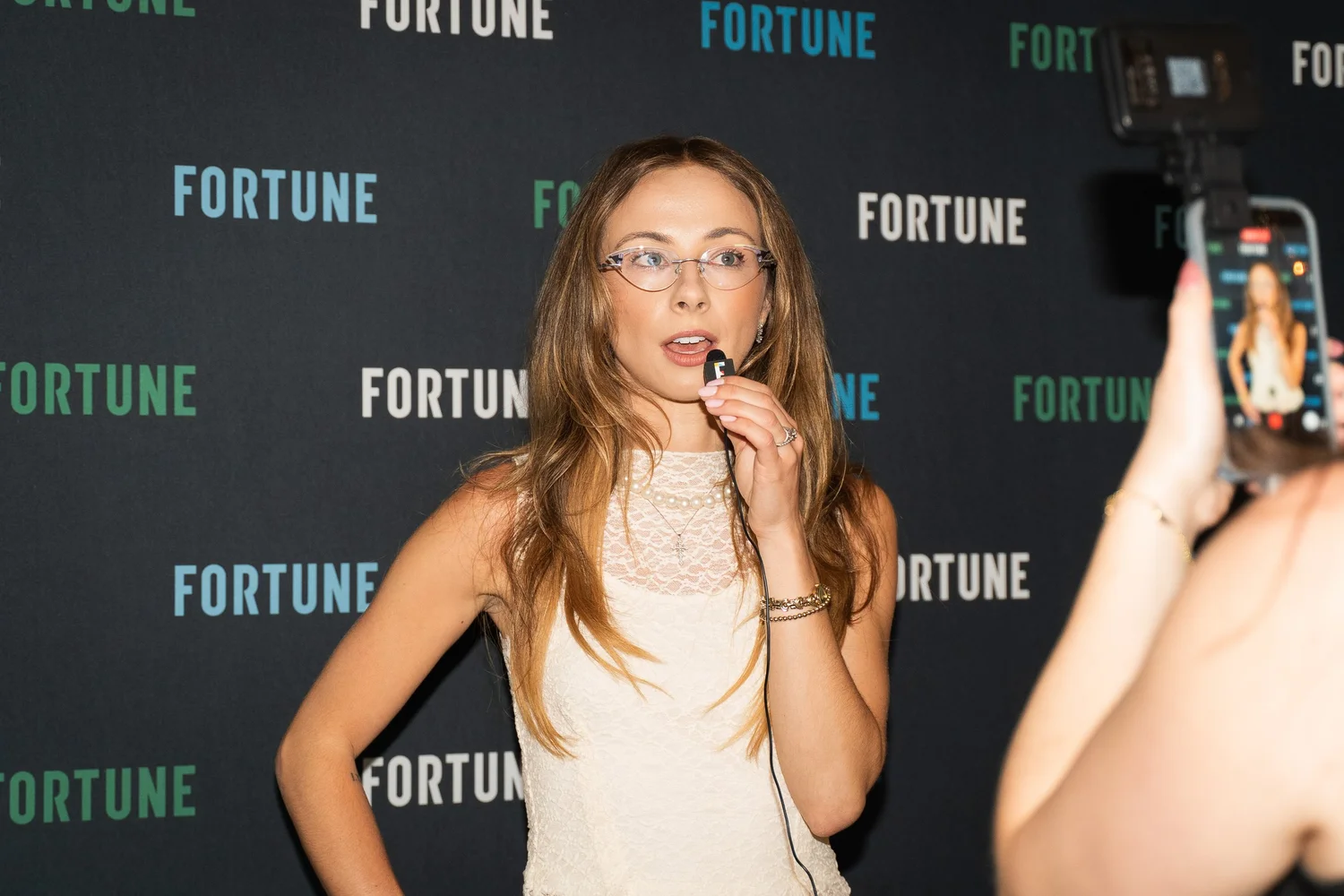
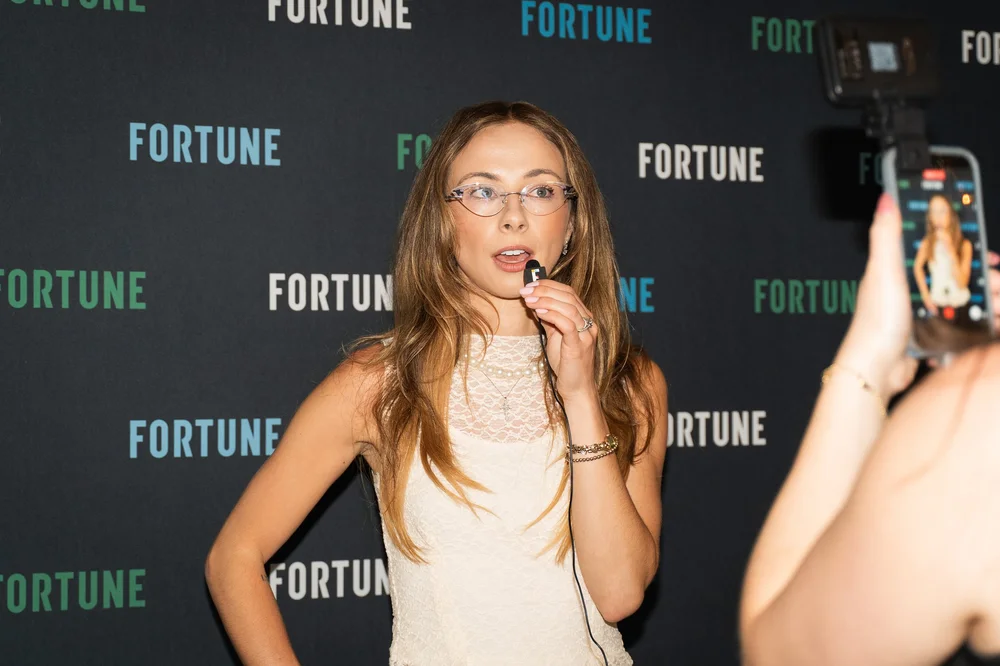
Gabrielle Judge at Fortune Workplace Innovation Summit

Future of Work · May 2026

The Lazy Girl Job Was Never About Being Lazy: Gabrielle Judge on Building a Media Company in the Margins

Gabrielle Judge didn't coin "lazy girl job" because she wanted to work less. At the Fortune Workplace Innovation Summit, she unpacked what it actually means to buy yourself runway.
By MC Richmond  ·  Fortune Workplace Innovation Summit  ·  May 2026
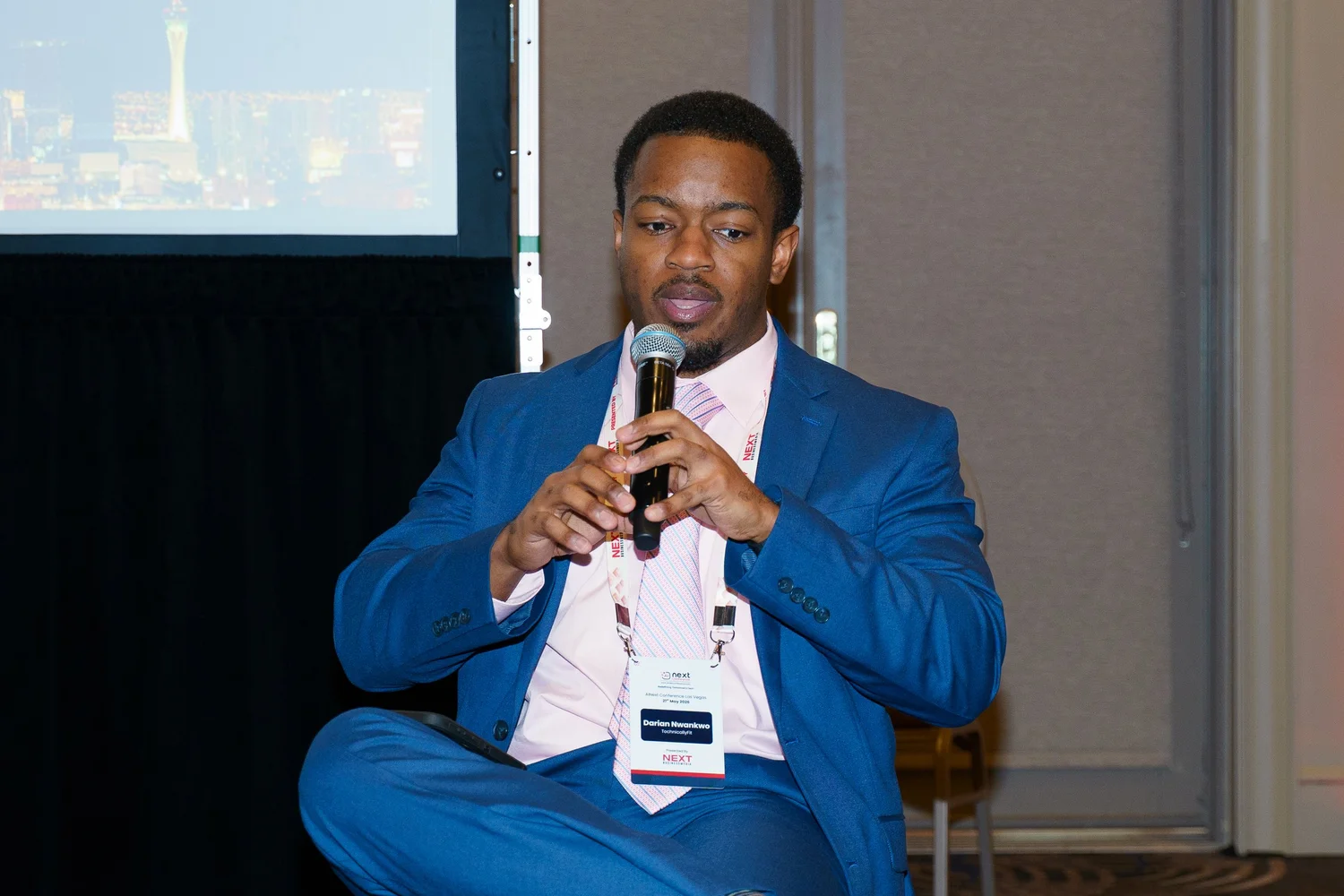
Darian Nwanko at AI Next Conference

Artificial Intelligence · May 2026

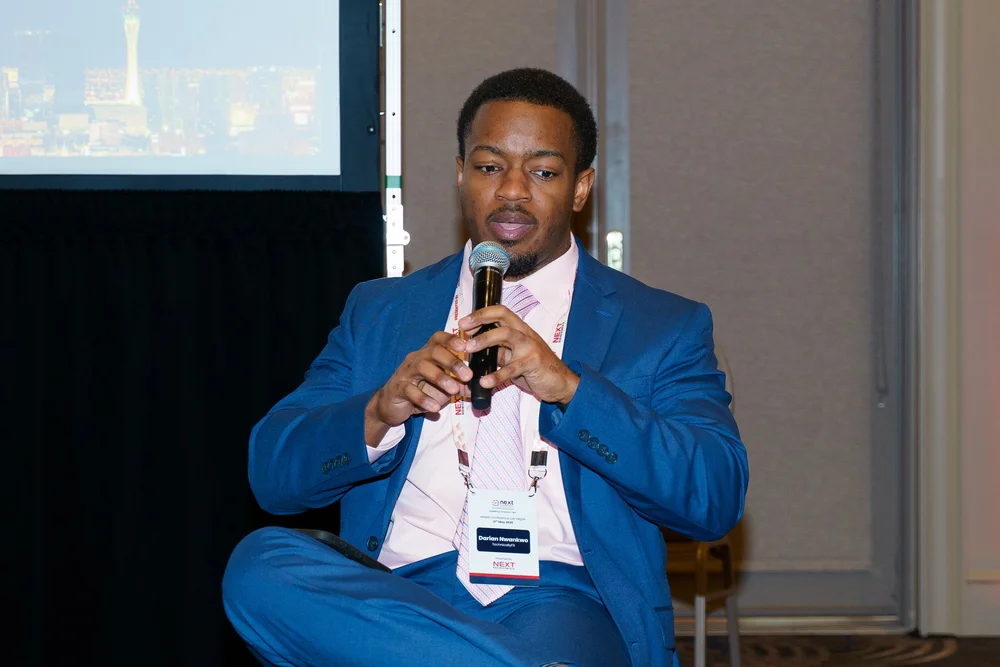
AI as a Recruiter, Not a Replacement: Key Insights from the AI Next Conference

Having worked with organizations building AI systems from the inside, Darian Nwanko offered a framework at AI Next that reframes the fear of replacement entirely.
By MC Richmond  ·  AI Next Conference, Las Vegas  ·  May 2026
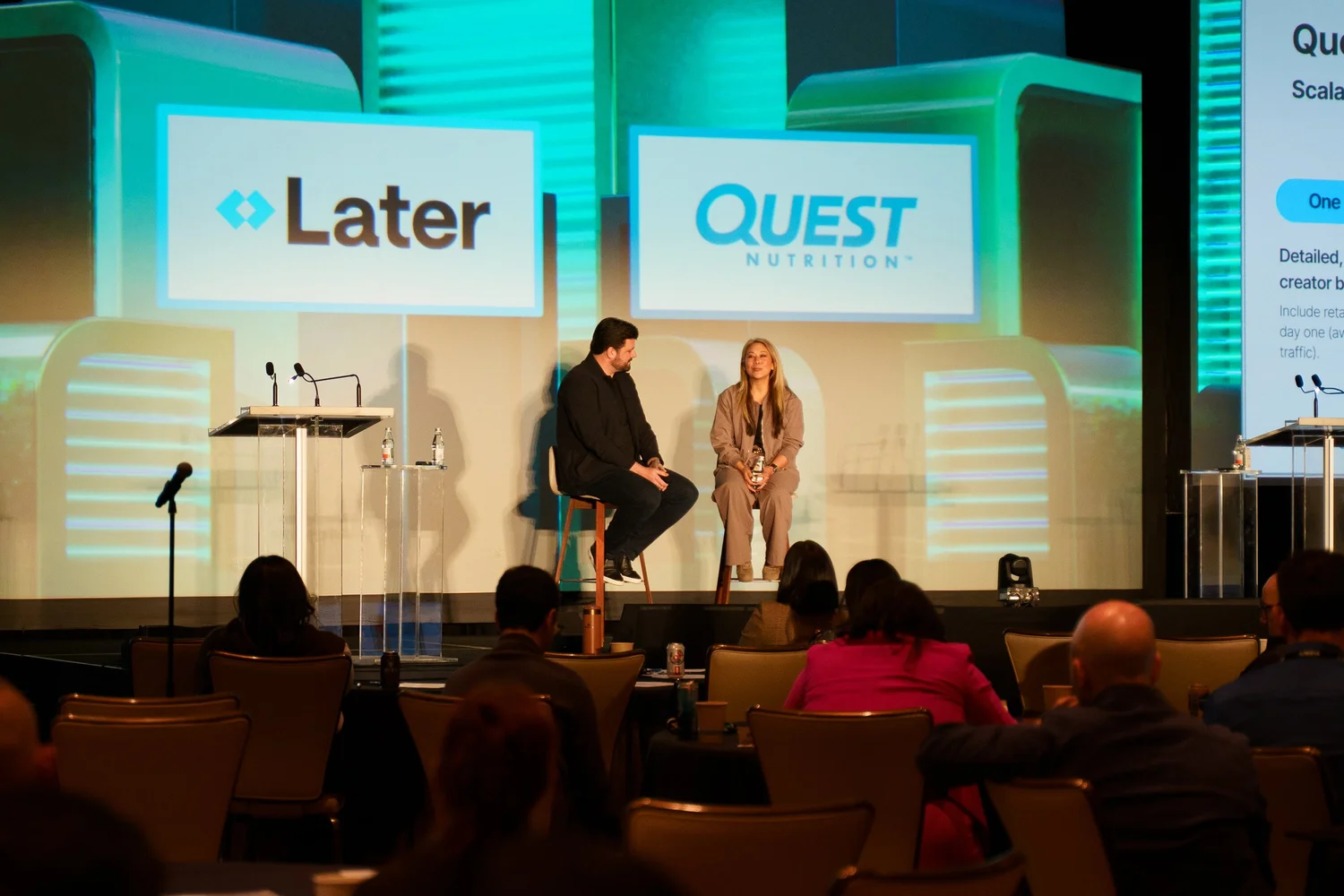
Lyle Stevens and Grace Niu at ANA Creator Marketing Conference

Creator Economy · February 2026

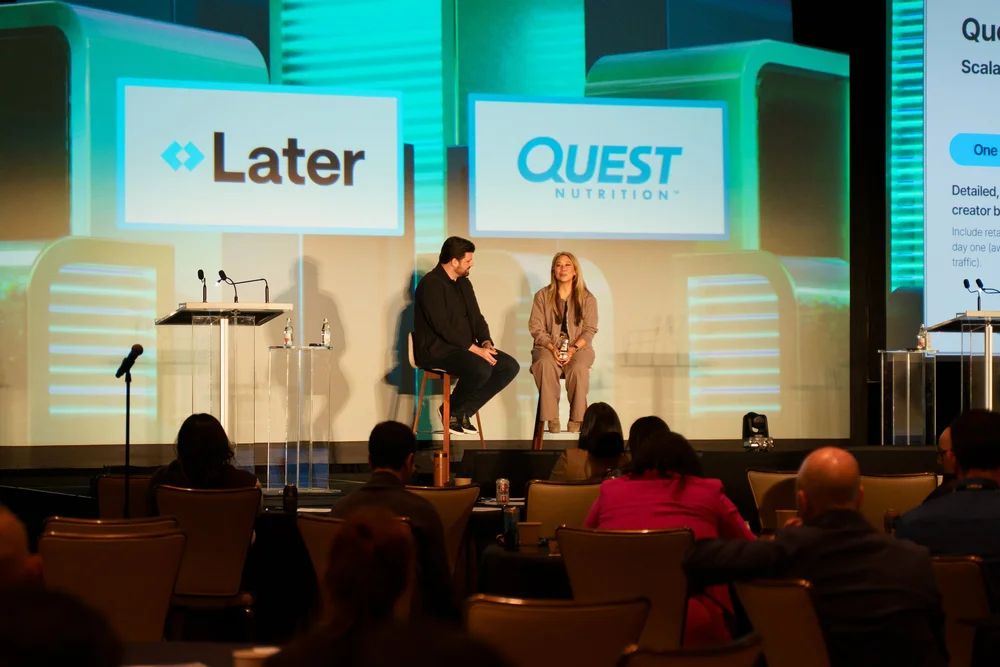
The Creator Economy's Next Chapter: Lyle Stevens on AI, Long-Form, and the End of the Draft-and-Approve Cycle

Lyle Stevens co-founded Later and watched the creator economy evolve in real time. At the ANA Creator Marketing Conference, he laid out what's coming — and it flips the entire brand-creator relationship on its head.

By MC Richmond  ·  ANA Creator Marketing Conference, Las Vegas  ·  February 2026
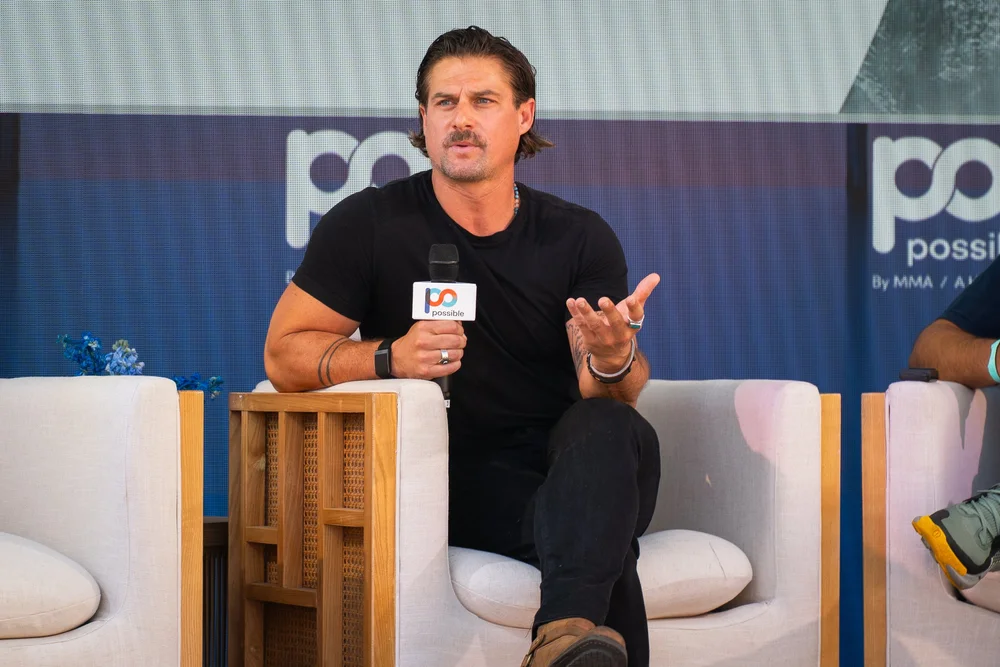
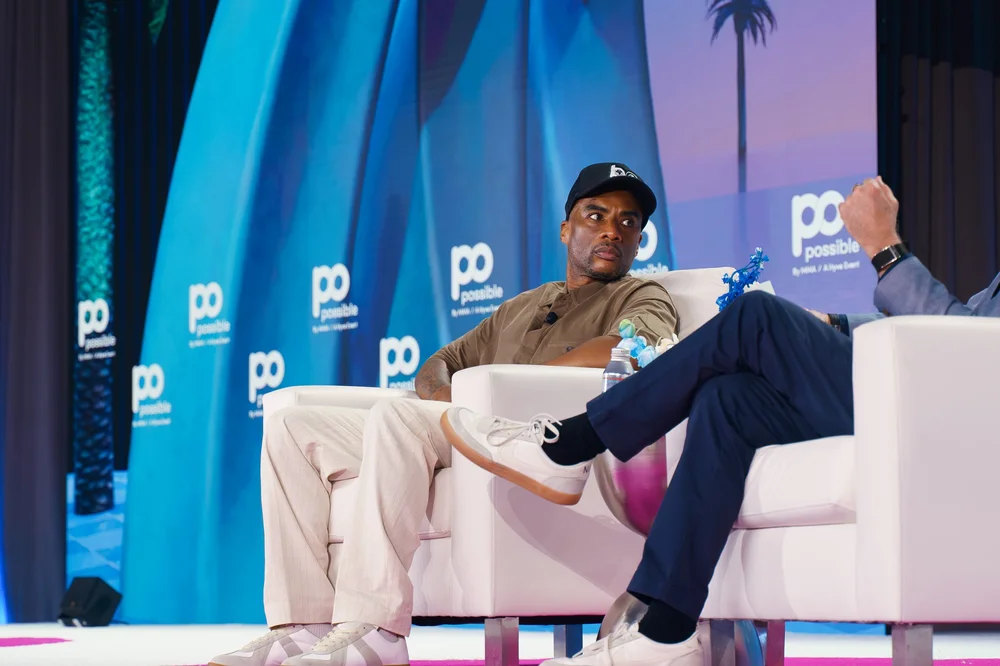
Charlamagne Tha God at POSSIBLE Miami

Marketing · Brand Strategy · April 2026

Proof Over Promise: The Marketing Conversation Happening at POSSIBLE Miami

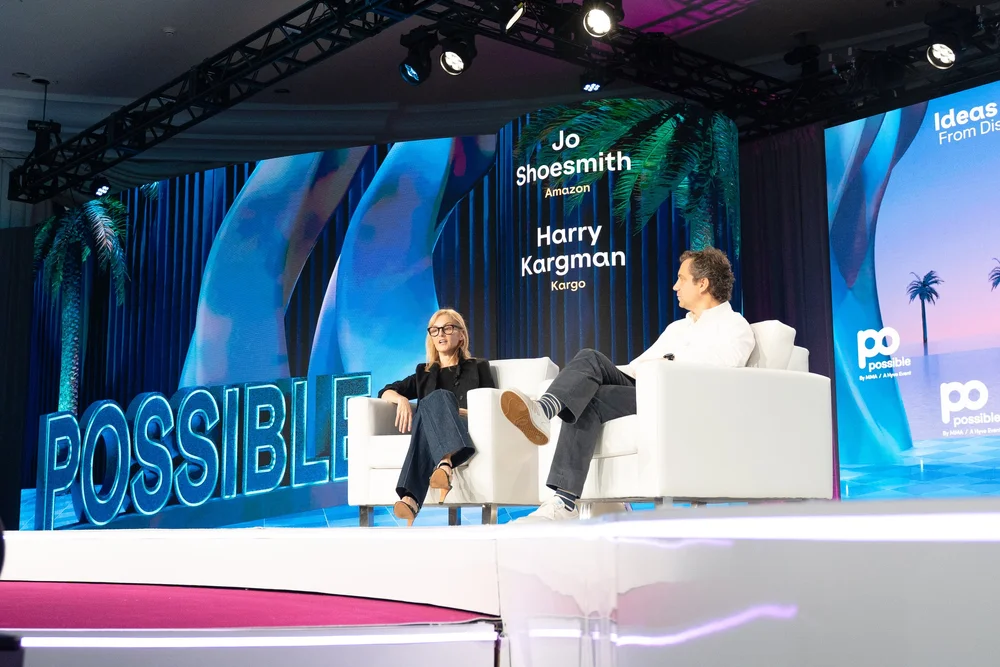
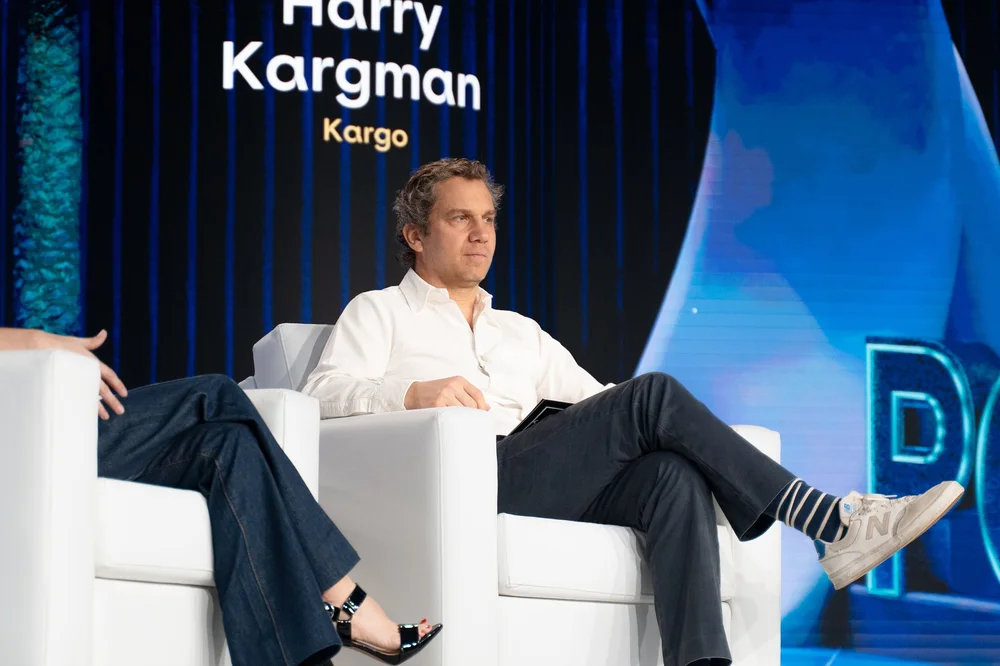
James Merrill, Jo Shoesmith, Harry Kargman, and Charlamagne Tha God on greenwashing, AI creative, and the shifts redefining modern marketing.
By MC Richmond  ·  POSSIBLE Miami  ·  April 2026
Delina Medhin and Bea Dixon at Essence Festival 2025

Founder Culture · Wealth · July 2025

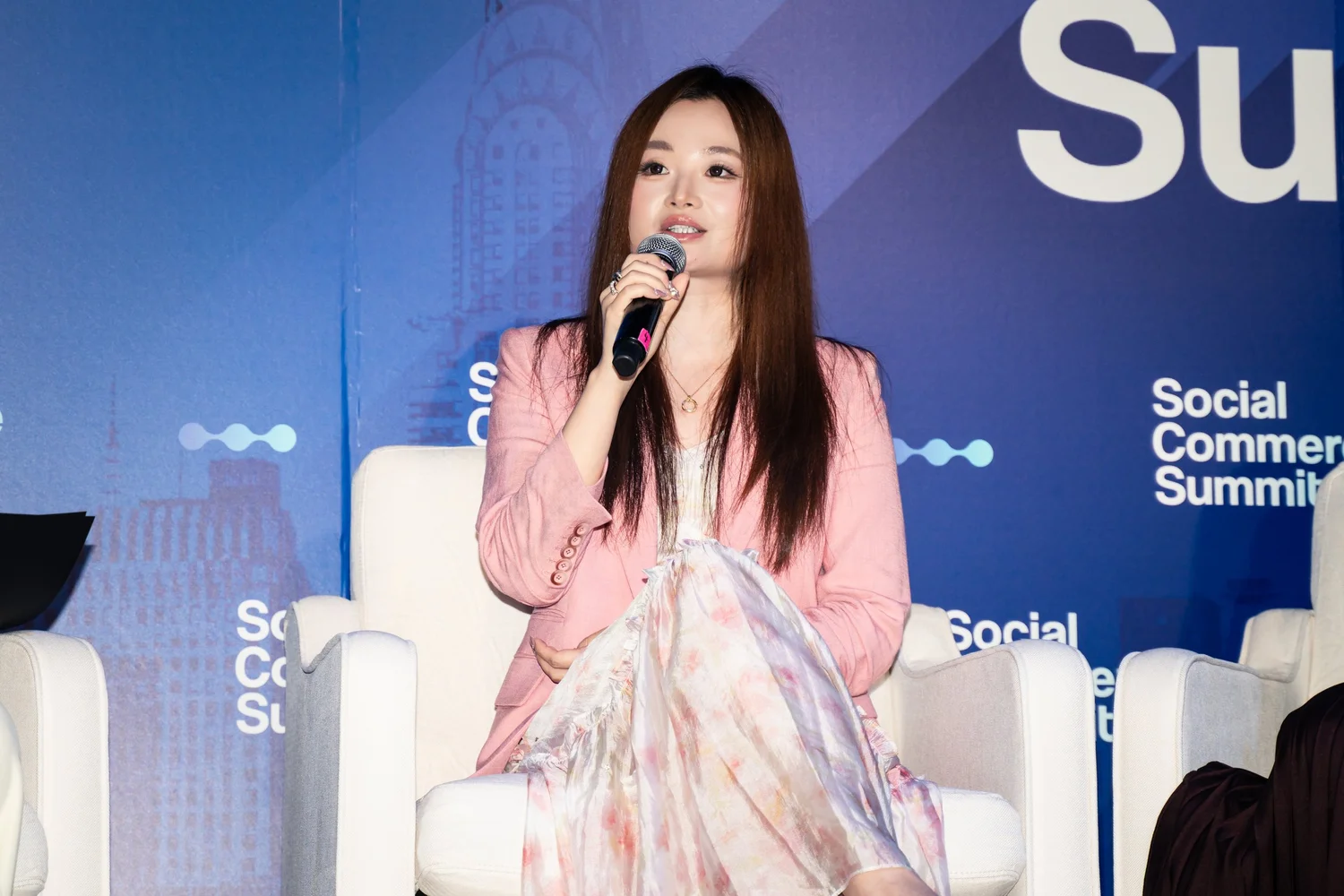
You Built It. Now Do You Sell It? Bea Dixon of The Honey Pot Company on Investors, Wealth, and What the Black Community Gets Wrong

At Essence Festival, Honey Pot CEO Bea Dixon named the thing most founder panels won't: building something extraordinary and then getting paid for it isn't selling out. It's the point.
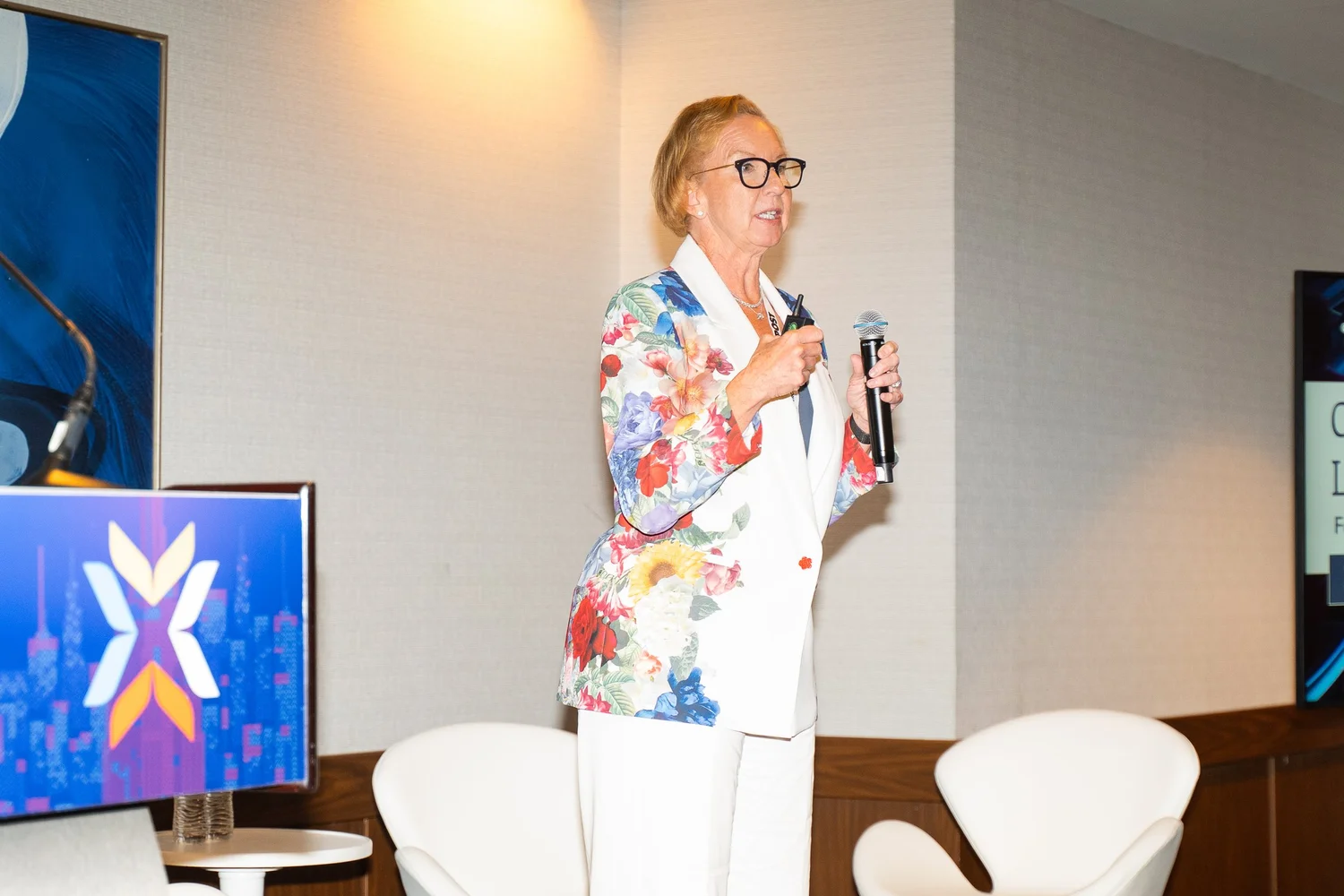
By MC Richmond  ·  Essence Festival of Culture, New Orleans  ·  July 2025

About

Built from
the ground up.
Credentialed
everywhere.

A Founders Corner is a digital-first media platform founded by visual producer and journalist MC Richmond. We produce photo, video, and editorial coverage of the founders, CEOs, and keynote speakers driving conversation at the world's most important conferences.

From Super Bowl stages to Web3 summits to the Palais des Festivals in Cannes, A Founders Corner is where the builder generation gets documented — on the ground, in real time, with a visual story that holds up.

Our editorial focus spans founder culture, emerging technology, the future of work, and the people at the intersection of all three. We are independently operated, editorially independent, and built on a simple conviction: the best stories are the ones that happen live.

GoogleAfroTech · San Jose · Oct 2025
NBCUniversalABFF · Los Angeles · Jun 2025
Essence FestivalNew Orleans · Jul 2025
VarietyCES · Las Vegas · Jan 2026
Associated PressSuper Bowl LX · New Orleans · Feb 2026
NAACP Image AwardsLos Angeles · Feb 2026
U.S. Dept. of LaborTransform 2026 · Mar 2026
FortuneWorkplace Innovation Summit · Atlanta · May 2026
ETH NYCJavits Center · New York · Jun 2026
Cannes LionsFestival of Creativity · Jun 2026 ↗

Media Kit & Inquiries

Work with
A Founders Corner

We are available for press credential partnerships, conference coverage assignments, and editorial collaborations. A Founders Corner produces photo, video, and written content optimized for founders and brands who need their story told at the highest level.

Editorial Inquiries

mc@afounderscorner.com

Instagram

@afounderscorner

Founder & Visual Producer

MC Richmond

Coverage Packages

Social First

Same-day social content, edited selects, caption copy

Custom

Speaker Essentials

Keynote photo + video, speaker portrait, editorial byline

Custom

Full Coverage

Full conference day, multi-speaker, all deliverables included

Custom

Press Credential Partnership

Editorial coverage + media outlet distribution

Inquire
A Founders Corner
  • Coverage
  • About
  • Contact
  • Instagram
© 2026 A Founders Corner LLC · All Rights Reserved

Fintech · Web3 · ETH NYC · June 2026

Where Stablecoin Cards Go Next: On the Ground at ETH NYC with Rain CEO Farooq Malik

By MC Richmond  |  A Founders Corner  ·  June 2026

Farooq Malik, Rain CEO at ETH NYC

The conversation around stablecoins has shifted. It's no longer a question of whether institutions will adopt them — it's a question of how fast.

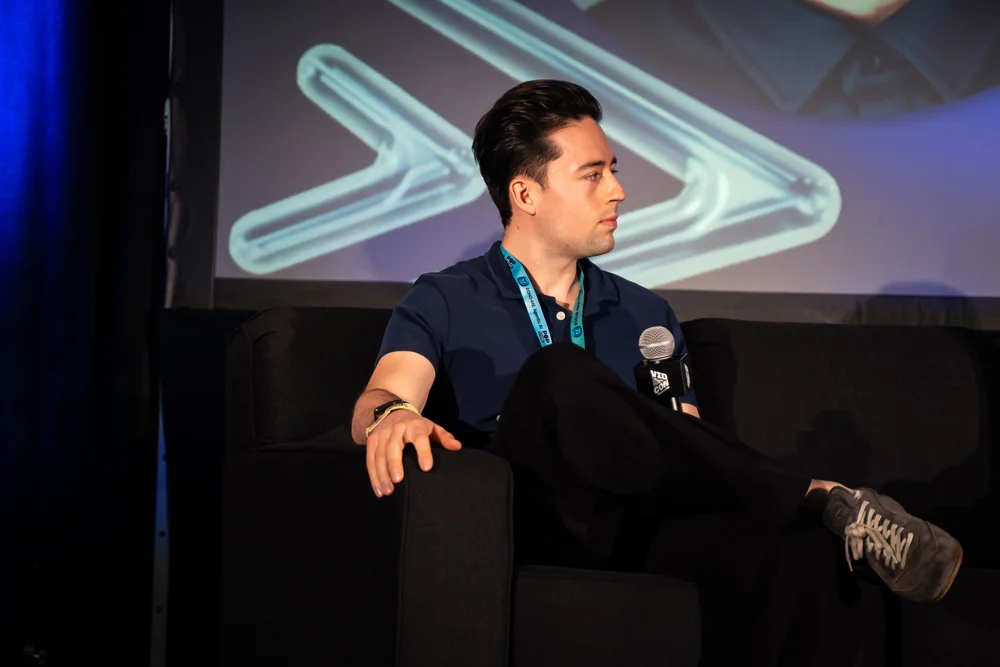
At ETH NYC, held at the Javits Center in New York, Rain CEO Farooq Malik sat down with Yueqi Yang, Crypto Reporter at The Information, for a conversation that cut through the speculation and landed squarely in the present tense. What Malik described wasn't a future state. It was already happening.

"This has probably been the most surprising thing to see over the last year or so. Even before some of the regulatory clarity started coming into the United States with the passing of GENIUS, we were starting to field inbound from some of the largest companies in the world that were already thinking about stablecoins as a way to improve their capital efficiency."

Rain, which powers stablecoin card programs across more than 100 markets globally, has watched enterprise demand evolve in real time. The inbound, Malik noted, isn't coming from crypto-native startups. It's coming from public trading companies, banks, remittance platforms, and global marketplaces — organizations that see stablecoins not as a speculative asset but as operational infrastructure.

The business case, as Malik framed it, is straightforward: reduce the cost of servicing clients while expanding the universe of clients you can actually reach.

Perhaps the most counterintuitive data point Malik shared was about geography. Conventional wisdom holds that stablecoin adoption is primarily an emerging markets story. The reality Rain is seeing is more nuanced.

"While many people think that stablecoins are primarily being adopted outside the United States, the largest destination of all consumer transactions and B2B transactions that we are seeing in the market are all ending up in the US — US merchants, US customers, US bank accounts, US economic participants — which is in many ways flying in the face of what a lot of people expect."

The implication is significant. Stablecoin adoption in the US isn't presenting itself as a crypto product. It's presenting as embedded financial services — faster to launch, more modular, and more cost-effective than legacy alternatives. With GENIUS passed and institutional demand accelerating, the question Malik's session raised wasn't whether stablecoins would go mainstream. It was whether the infrastructure could scale fast enough to meet the moment.

Future of Work · Fortune Workplace Innovation Summit · May 2026

The Lazy Girl Job Was Never About Being Lazy: Gabrielle Judge on Building a Media Company in the Margins

By MC Richmond  |  A Founders Corner  ·  May 2026

Gabrielle Judge at Fortune Workplace Innovation Summit

Gabrielle Judge didn't coin "lazy girl job" because she wanted to work less. She coined it because she wanted to build something more.

At the Fortune Workplace Innovation Summit, the founder of Miss Anti-Work — the media company that has generated tens of thousands of worldwide media mentions — sat down to unpack one of the most misunderstood phrases to come out of the Great Resignation era.

"I'm a huge high achiever. I'm a huge workaholic. I have been since before I had a job. And so what was really hard for me was to get a quote-unquote lazy girl job — which was still a really good job."

At the time, Judge was an account manager at Wix. The role was a lateral move, not a step up. But it gave her something more valuable than a title: time. She was completing her responsibilities in two to four hours a day — and building Miss Anti-Work with everything left over.

The term, she explained, means something different to everyone who uses it. Some people take lateral roles because they aren't careerists and simply want balance. Others, like Judge, take them as low-risk launchpads for something bigger.

"Those three keywords together are quite controversial. I knew that going into it. I thought it was fun. That's like Gen Z humor."

The result was a viral moment that became a media company, a brand, and a genuine cultural conversation about what ambition is actually supposed to look like. For the founders and executives in the room at the Fortune summit, the subtext was hard to miss: the most entrepreneurial move Judge made wasn't quitting her job. It was keeping it — just long enough to build something that didn't need it anymore.

Artificial Intelligence · AI Next Conference, Las Vegas · May 2026

AI as a Recruiter, Not a Replacement: Key Insights from the AI Next Conference

By MC Richmond  |  A Founders Corner  ·  May 2026

Darian Nwanko at AI Next Conference

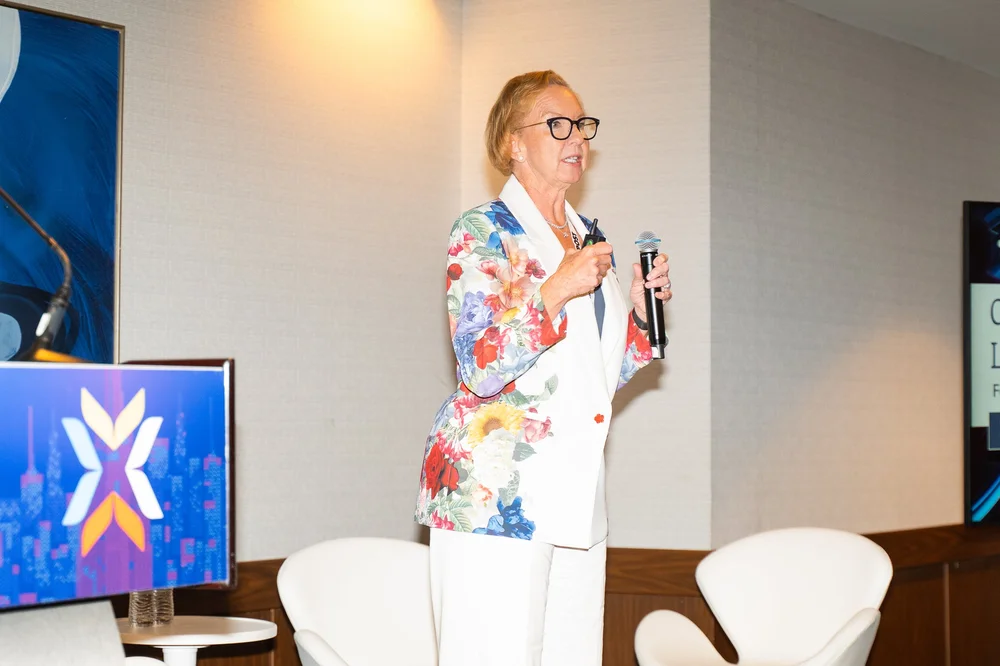
The fear that artificial intelligence will eliminate jobs has dominated the public conversation around the technology for years. Darian Nwanko, who has worked directly with organizations building AI systems, has a different framework entirely.

"You shouldn't think about this as AI replacing you. I think about this as AI recruiting you."

The distinction isn't semantic. It's structural. Nwanko walked through the mechanics of how large language models are trained — specifically, the process of reinforcement learning from human feedback. "They literally gather thousands of experts in each of these respective domains," he explained, "and create curated datasets to teach these models how to perform each one of your respective roles particularly well."

In other words, the expertise already in the room isn't being made obsolete by AI. It's being absorbed by it. The models are built on human knowledge, refined by human judgment, and most effective when used by people who bring domain expertise to the interaction.

Nwanko offered a personal example: as a self-employed person navigating tax season, he used an AI tool to work through IRS documentation before meeting with his accountant. "My accountant thought I was particularly smart, but I'm like, 'I'm not that smart. I actually just interacted with an AI tool to expedite my learning.'"

"The rate at which you learn increases. It just depends on how you use it."

For the founders, operators, and executives at AI Next, the message was a reframe with real stakes. The question isn't whether to engage with AI — it's whether you're using it to grow faster than the people who aren't.

Creator Economy · ANA Creator Marketing Conference · February 2026

The Creator Economy's Next Chapter: Lyle Stevens on AI, Long-Form, and the End of the Draft-and-Approve Cycle

By MC Richmond  |  A Founders Corner  ·  February 2026

Lyle Stevens and Grace Niu at ANA Creator Marketing Conference

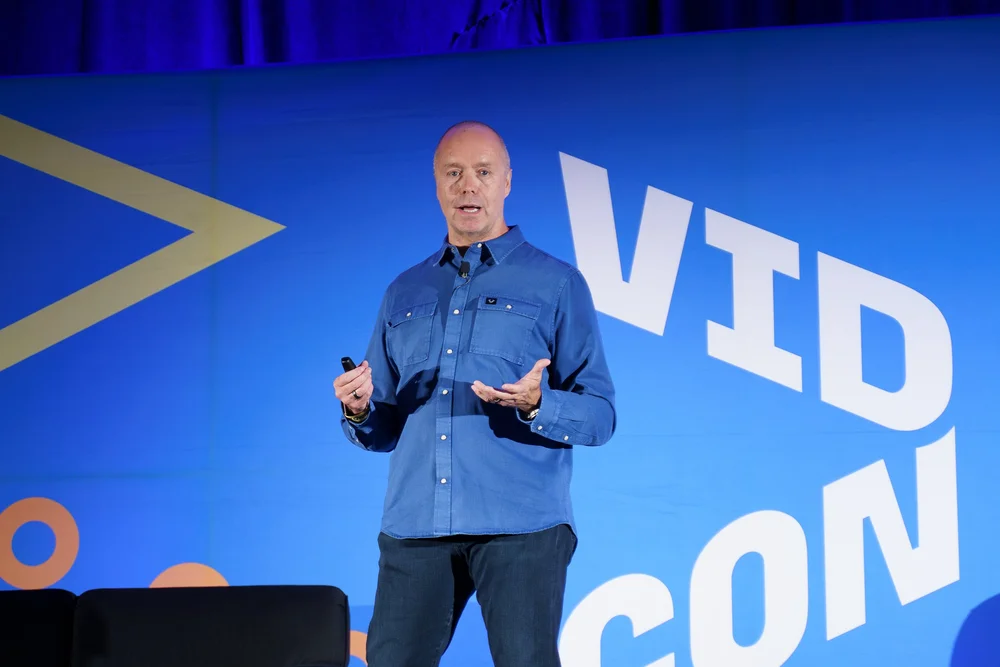
The creator economy has always moved faster than the brands trying to work within it. At the ANA Creator Marketing Conference in Las Vegas, Lyle Stevens — co-founder of Later and now its Chief Innovation Officer — laid out a vision for where the industry is heading that was equal parts practical roadmap and provocation.

Stevens opened with a framework that reframed how brands should think about creator content entirely. The social feed, he argued, is no longer the destination. It's the starting point. Brands that are still measuring creator success by likes and reach are measuring the wrong things.

"Creating that content, giving them their authentic voice, weaving in the story, then deploying it across multiple places — trying to deploy it after the fact is like pushing a rope. It's really hard to do."

In conversation with Grace Niu, Influencer and Brand Marketing Manager at Quest Nutrition, Stevens unpacked what effective creator briefs actually look like in practice. The answer isn't product-first content or authenticity-first content — it's both, woven together and deployed across multiple channels simultaneously rather than as an afterthought.

His sharpest observation came when he turned to AI. Every time the barrier to creative expression drops, the creator economy expands. AI is simply the latest barrier to fall. And contrary to conventional wisdom, Stevens predicted that job disruption from AI won't shrink the creator economy — it will grow it, just as COVID did.

"I actually think we're going to see a lot of job disruption actually result in many more creators, just like we did during COVID."

His final point shifted the room. Stevens described a near-future — potentially as close as the upcoming holiday season — where the traditional draft-and-approve cycle between brands and creators gets inverted. Instead of a creator submitting a draft for brand feedback, brands will use AI to generate a draft asset using a creator's licensed name, image, and likeness, then send it back to the creator for approval.

"It's going to flip the entire process on its head, and that's going to be a very interesting moment for the creator economy."

For the marketers in the room, the message was clear: the question is no longer whether AI changes the creator relationship. It's whether you're building for the model that's coming or defending the one that's already leaving.

Marketing · Brand Strategy · POSSIBLE Miami · April 2026

Proof Over Promise: The Marketing Conversation Happening at POSSIBLE Miami

By MC Richmond  |  A Founders Corner  ·  April 2026

Charlamagne Tha God Jo Shoesmith, Amazon Harry Kargman, Kargo James Merrill, Opolis Optics

POSSIBLE Miami brought together some of the sharpest minds in marketing, technology, and brand strategy for a conference that didn't shy away from the hard questions. A Founders Corner was on the ground for the sessions that mattered most.

James Merrill, Opolis Optics & Stoked Plastics

"The sustainability claims are everywhere and the proof point is nowhere."

Merrill has spent four years building a solution to a problem the industry largely created for itself. When his team began developing their recycled materials formula, they found brands claiming to be "100% sustainable" were incorporating just three to five percent recycled content. Gen Z consumers were already catching on. Opolis Optics is the proof of concept — every pair of sunglasses pulls four water bottles from the ocean. Every pair of ski goggles pulls ten. The era of the green campaign is over. What's replacing it is data, trackability, and proof that holds up.

Jo Shoesmith, Amazon

Amazon's Chief Creative Officer came to POSSIBLE with a thesis: the most powerful brand stories aren't built on products — they're built on human truths so universal they need no translation. Her examples: a holiday spot about three women recreating a sledding tradition that ran for two consecutive years, and a COVID-era film about a canceled ballet recital that resonated globally because it captured the specific grief of a moment stolen.

"That's that very big human truth that we can tap into and have a piece of work travel."

Harry Kargman, Kargo

Kargo's founder described a shift in real-time creative that AI has now made possible: imagine a water brand serving a hydration message to a live sports audience at the exact moment a player fumbles the ball. Not planned. Not pre-produced. The right creative, in the right moment, triggered by what's actually happening on the field.

"That opportunity didn't exist until, I would say, this year where AI enables that to happen."

Charlamagne Tha God

Charlamagne has watched every platform emerge and every prediction about what would kill radio prove wrong. His message at POSSIBLE was hard-earned and simple: the content is never the variable. The distribution always is.

"You have to meet people where they are. Back in the day, they said 'if you build it, they will come.' That used to be true maybe 20 years ago. But now you have to build everywhere."

Founder Culture · Wealth Building · Essence Festival · July 2025

You Built It. Now Do You Sell It? Bea Dixon of The Honey Pot Company on Investors, Wealth, and What the Black Community Gets Wrong

By MC Richmond  |  A Founders Corner  ·  July 2025

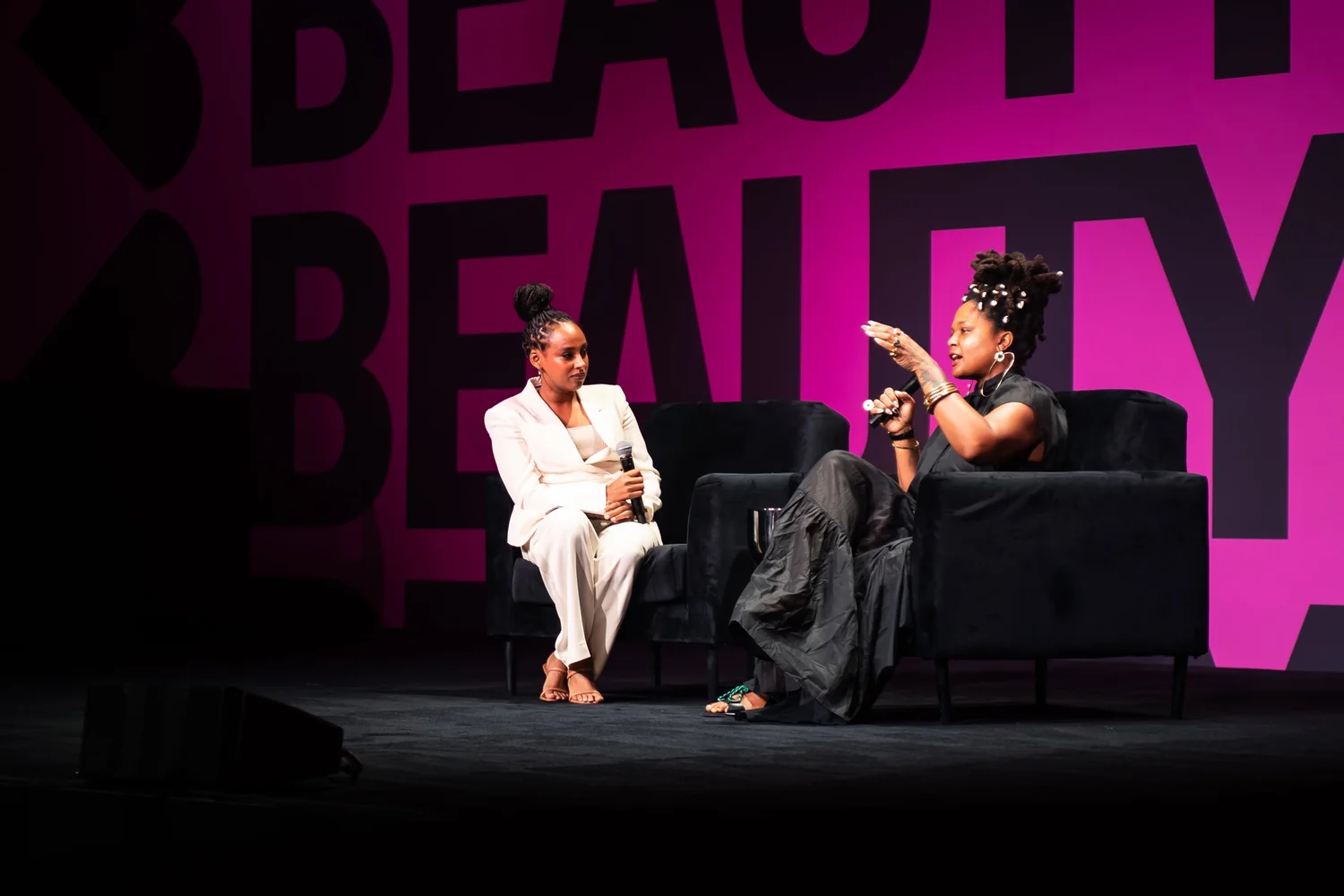
Delina Medhin and Bea Dixon at Essence Festival 2025

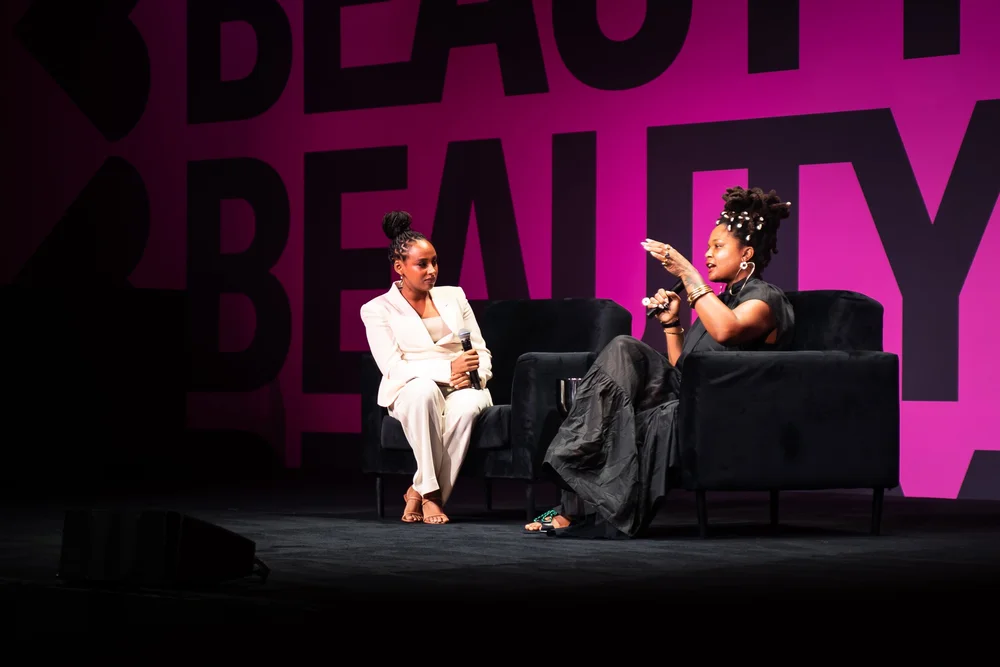
There are conversations that happen at Essence Festival that don't happen anywhere else. Bea Dixon, co-founder and CEO of The Honey Pot Company, sat down with journalist Delina Medhin for a conversation about what it actually means to take investment, build wealth, and exit a business you love.

The exchange started with a question that cuts straight to the tension many Black founders carry: when is the right time to take an investor, and how do you know? Dixon's answer reframed the entire premise.

"Once you start to take money, the idea eventually is to sell. How does an investor make their money back? They don't make their money back by just investing and leaving it in your business."

It's a truth that gets obscured in the culture around Black entrepreneurship, where investment is often celebrated as validation without a full reckoning with what it commits you to. Dixon was clear-eyed about what comes next — and about the stigma that can follow a Black founder who sells.

"When you do sell, it can be looked at as a sellout, which is absurd — because this is just how business works. That's how you obtain your wealth."

Medhin pushed further: what's the point of it all? The planes, the sacrifice, the grind, the gut-level intuition that has to hold up under pressure year after year? Dixon stripped out the inspirational packaging.

"You're living under a level of stress that is not normal or natural. You're stretching yourself in your mind in ways you didn't even know were possible. That's the point, right? It should make you wealthy."

For the founders in the audience at Essence — many of them early-stage, navigating the same questions about whether to bootstrap or raise, whether to hold or sell — the conversation offered something rarer than a blueprint. It offered permission. Permission to think about the exit from the beginning. Permission to define wealth on your own terms. Permission to build something extraordinary and then, when the time is right, get paid for it.

0
Skip to Content
Founder's Corner
Contact
Founder's Corner
Contact
Contact