HealthAICES 2026January 2026
"Go Slower": Dr. Linda Charmaraman's Two Wishes for the Tech Industry
On the American Psychological Association's youth mental health panel at CES, the Wellesley researcher asked tech companies to slow down, fund AI literacy, and give young people real control over what they see.
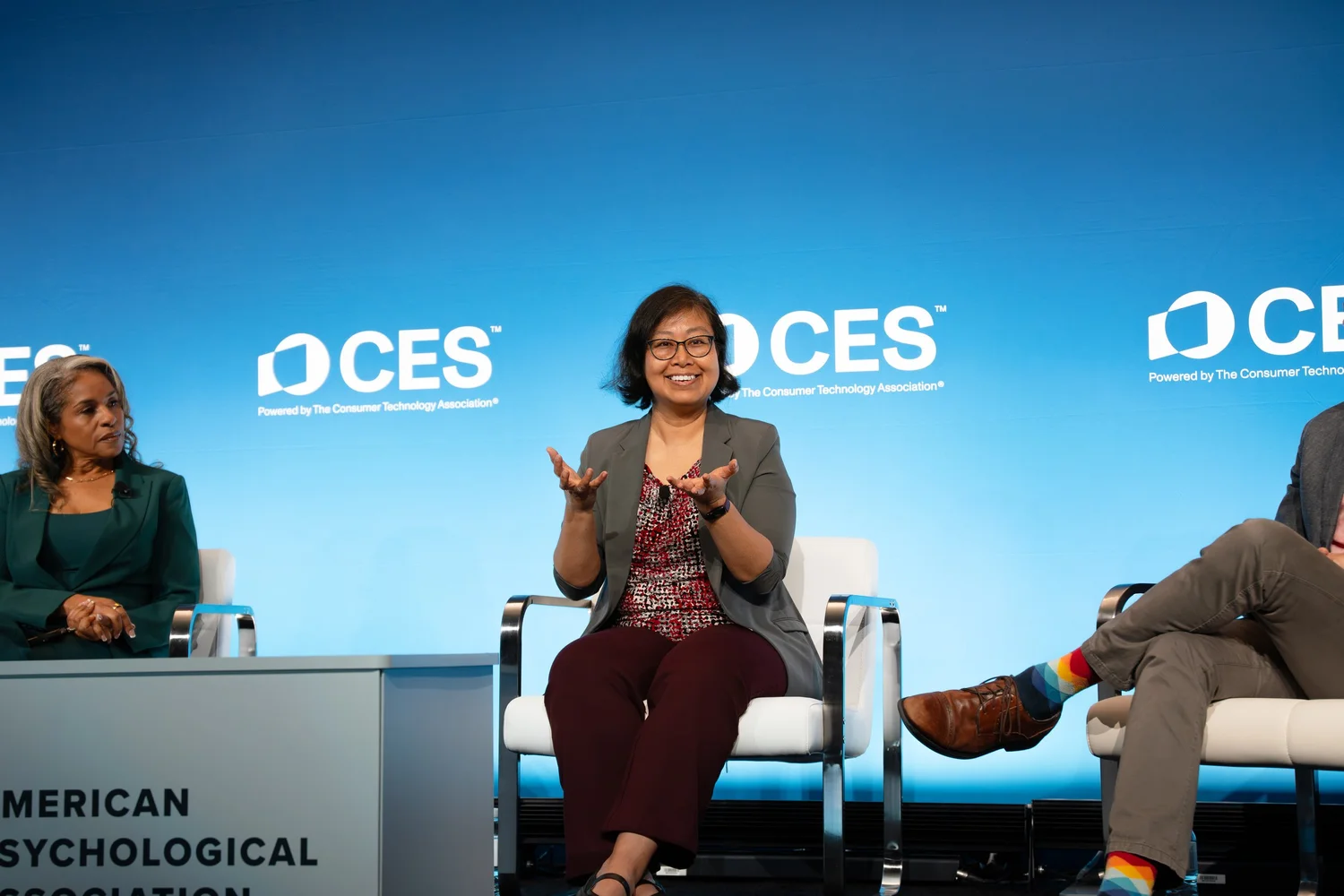
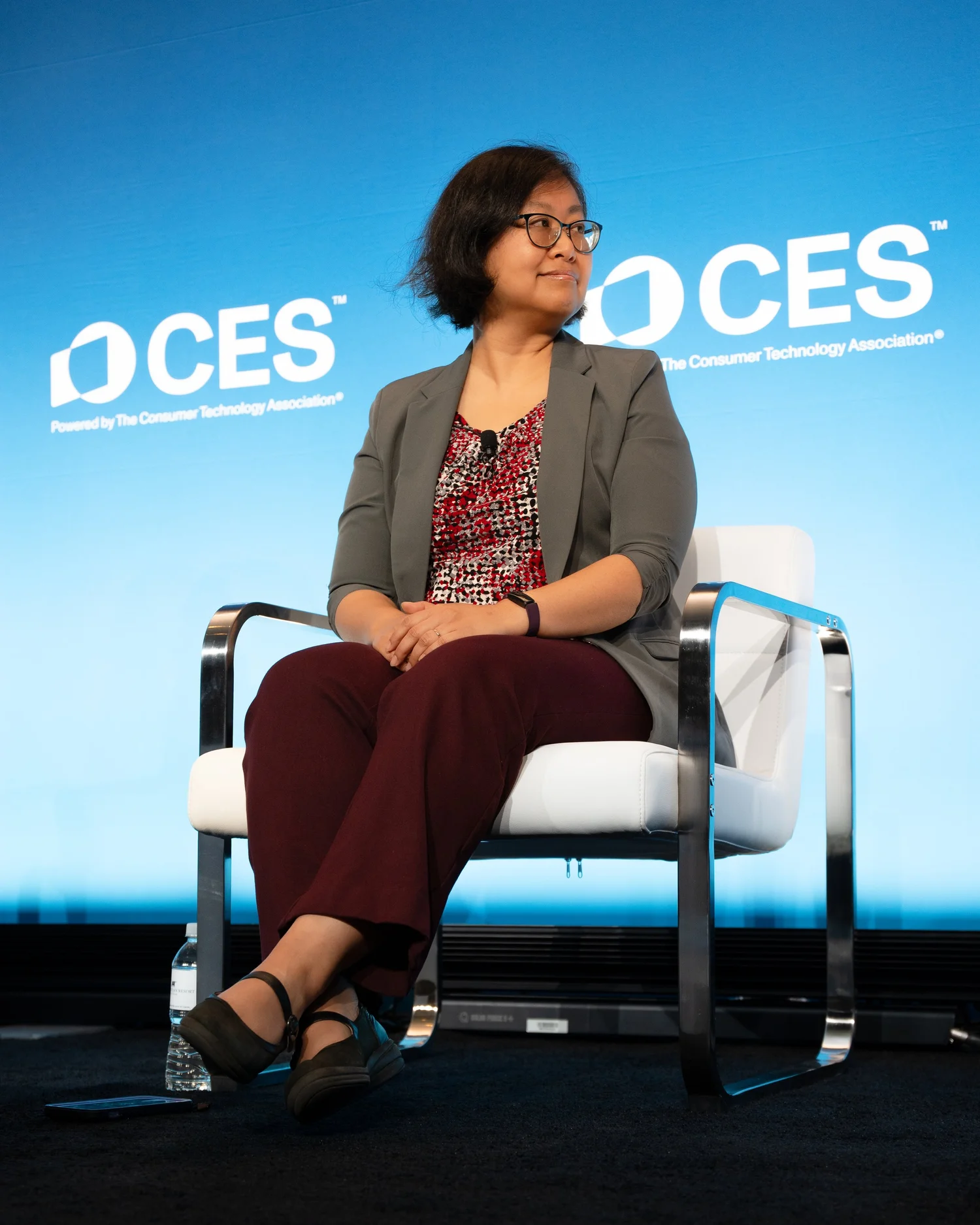
LAS VEGAS Asked what she would change with a magic wand, Dr. Linda Charmaraman asked for two. "I've 2 hands," she told the room at CES. Charmaraman, a Senior Research Scientist at the Wellesley Centers for Women and a consulting expert at the Jed Foundation, studies how young people grow up online. She has co-authored the American Psychological Association's advisories on adolescent social media use and on AI and adolescent wellbeing.
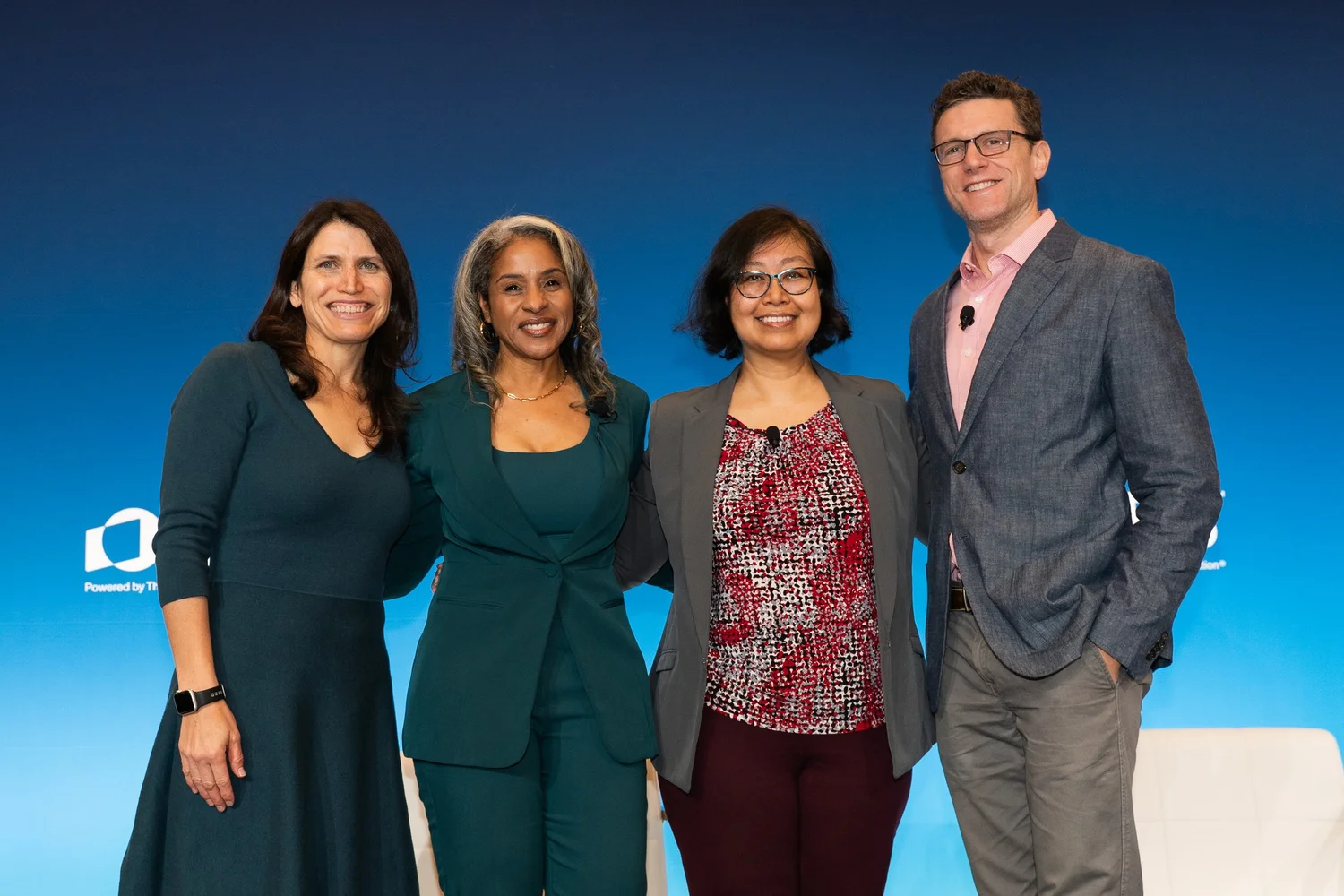
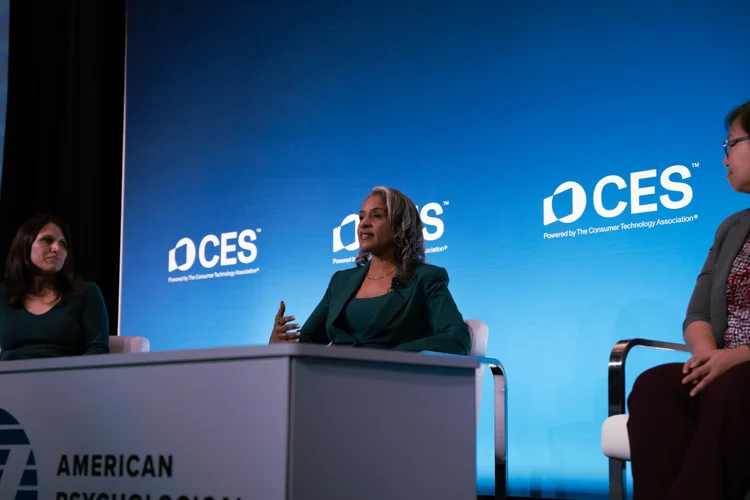
She joined Dr. Janine M. Jones of UC Santa Barbara and Michael Robb of Common Sense Media on the APA's panel, "Youth Mental Health: Helping a Generation Thrive in a Digital World," moderated by Mashable senior reporter Rebecca Ruiz.
Wand one: a pact to go slower
With her first wand, Charmaraman would have the major tech and social media companies "create a pact together to go slower." The race to ship first, she argued, is what keeps products from being built for the people most at risk.
"Go slower so they're not in a big race to get out the products as fast as possible so they can beat their competition."
The pact would need everyone in it, she said: not only social platforms, but phone makers, search engines and marketers, all agreeing to care about wellbeing from the start, "and not just... repair when we should have just prepared."
Wand two: tech-funded AI literacy
Her second wish was for "more AI literacy education and media literacy education that could be funded by the tech companies." She didn't soften the pitch to the industry in the room. "So you guys have tons of money," she said. Users who understand a product use it more safely, responsibly and meaningfully, and "in the end, it'll help you... in the bottom line eventually."
Good free resources already exist, she noted, from Common Sense Media and the American Academy of Pediatrics. What's missing is the funding to get them adopted by school districts and in front of families. Her answer: "a national... kind of education project funded by the tech companies."
Meaningful content first
Asked how designers can prioritize young people's agency, Charmaraman took aim at a familiar model: "Flood of ads, pay ourselves first, and then you get to the content eventually, if you even get through it." She wants it flipped, to "get better to meaningful content first, and then pay yourself later," especially for young users who get lost in information overload.
"They were supposed to be there to connect with that event that's happening on Friday night in person, but actually... lost in these ads of beauty products and... shoe sales."
Ask them how they feel
She also wants changing your algorithm to be easy, not buried in dense settings. Picture a pop-up when you open an app: "What's your mood today?" Do you want beauty products, she asked, "or are you feeling more like you wanna look at more nature videos and cute dogs?"
Her research backs it up. Kids "do want to have a say, have more agency in what they get to see," she said. Right now, "they feel a little bit powerless sometimes when they're... seeing things that they didn't want to see, but they're still having to slog through it." That's why she called for "parental controls that are easy to navigate for all families," whatever their comfort with technology.
 From the same panelThe Silent Struggles: Dr. Janine M. Jones on Building Youth Tech That Doesn't Feed the Stress
← All coverage